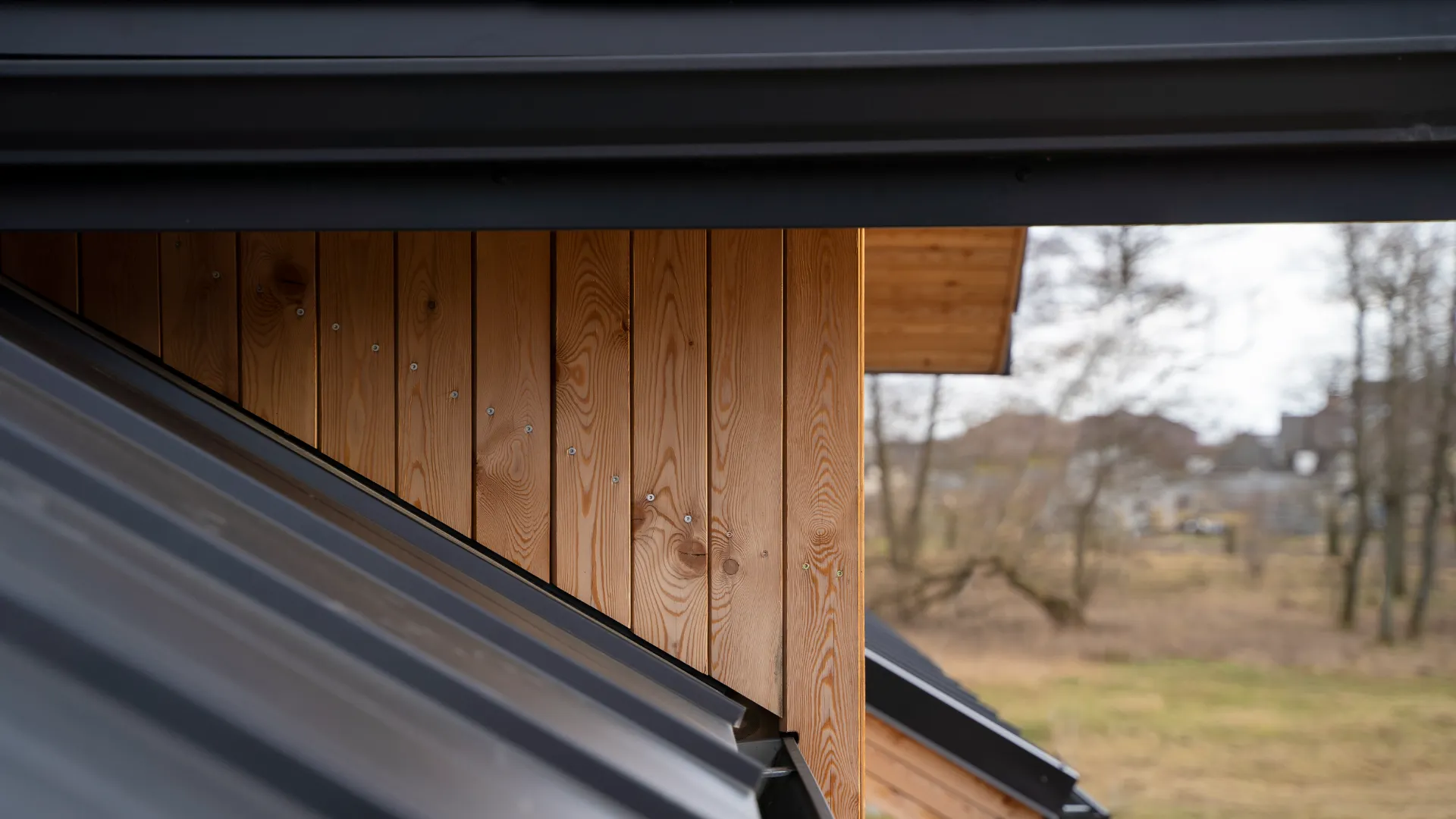
Gutters are easy to ignore. They sit up on the roofline, do their job quietly during rainstorms, and rarely demand attention. The trouble is that by the time most homeowners notice a gutter problem, the damage has already been compounding for weeks, months, or even longer. Understanding how small gutter issues escalate into expensive repairs is the best motivation to stay ahead of them.
The Job Gutters Are Actually Doing
To understand why gutter failures are so costly, it helps to appreciate what gutters prevent. Every time it rains, a typical roof sheds hundreds of gallons of water. Without a functioning gutter system to capture and redirect that water away from the home, it cascades off the roofline and lands at the base of the house. Properly installed gutters channel water through downspouts and direct it safely away from the foundation, siding, and landscaping.
How Small Problems Become Big Ones
Clogs Lead to Overflow and Overflow Has Consequences
A handful of leaves in a gutter section seems harmless. But as debris accumulates, water can no longer flow freely to the downspout. It backs up, pools, and eventually spills over the edge. That overflow consistently lands in the same spots: along the fascia board behind the gutter, down the siding, and at the base of the foundation. Rot sets in quietly. By the time it's visible, the fascia or siding may need full replacement rather than a simple repair.
Pest Infestations Often Follow Gutter Neglect
Clogged gutters filled with wet leaves and debris create the perfect environment for pests. Mosquitoes breed in standing water, while birds, rodents, and insects may nest in accumulated debris. Once pests establish themselves near the roofline, they can find their way into attics and walls, leading to additional repair and extermination costs.
Standing Water Accelerates Gutter Deterioration
When gutters can't drain, standing water sits in the trough for days at a time. Over months and years, this accelerates rust in steel gutters, causes sagging as the water weight strains the gutter hangers, and creates ideal conditions for mold and mildew to develop along the roofline. What started as a $0 problem becomes a sagging, leaking gutter that needs replacement.
Foundation Damage Is the Costliest Consequence
The most expensive outcome of chronic gutter failure is foundation damage. When water consistently pools at the base of a home rather than being directed away, it saturates the soil around the foundation. Over time, that moisture infiltrates cracks, freezes and expands in winter, and creates hydrostatic pressure against foundation walls. Foundation repairs can run into the tens of thousands of dollars.
Landscaping Damage Can Add Up Quickly
When gutters overflow repeatedly, the excess water can wash away mulch, erode soil, and damage flower beds and shrubs around the home. Over time, landscaping investments suffer as plants become waterlogged or roots are exposed. Proper gutter drainage helps preserve both curb appeal and the health of your outdoor spaces.
Soffit and Fascia Are the First to Suffer
The soffit and fascia are particularly vulnerable to overflow damage. They're often made of wood or wood composite and absorb water readily. Once rot takes hold, it spreads, and the repair scope grows with it. What begins as a gutter issue becomes an exterior carpentry project.
Seasonal Weather Makes Existing Problems Worse
Minor gutter issues rarely stay minor when exposed to changing weather conditions. Heavy rainstorms increase overflow, while freezing temperatures can turn trapped water into ice, adding extra weight and stress to the system. Seasonal cycles accelerate deterioration, making early maintenance essential for preventing larger structural problems.
The Cost of Waiting vs. The Cost of Acting
A gutter repair or cleaning is one of the most affordable home maintenance services available. Addressing a loose gutter section, a clogged downspout, or a small leak early costs a fraction of what foundation remediation, fascia replacement, or siding repair will run later.
Conclusion
Gutter problems rarely appear overnight. Most costly repairs begin with small, easily overlooked issues such as clogs, leaks, or standing water. Regular inspections and maintenance can prevent damage to your foundation, siding, landscaping, and roofline, saving you significant money and helping protect your home's long-term value.
Frequently Asked Questions
How often should gutters be cleaned?
Most homes benefit from gutter cleaning at least twice a year, typically in the spring and fall. Homes surrounded by trees may require more frequent cleaning.
What are the signs of a clogged gutter?
Common signs include water overflowing during rain, sagging gutters, plant growth inside gutters, and water stains on siding or fascia boards.
Can clogged gutters damage a home's foundation?
Yes. When water is not directed away from the home, it can pool around the foundation, leading to soil erosion, cracks, and expensive structural repairs.
Is gutter repair cheaper than replacement?
In many cases, minor issues such as leaks, loose fasteners, or small sections of damage can be repaired at a much lower cost than a full gutter replacement.
How can I reduce gutter maintenance?
Installing gutter guards, trimming nearby tree branches, and scheduling regular inspections can help minimize debris buildup and reduce maintenance needs.