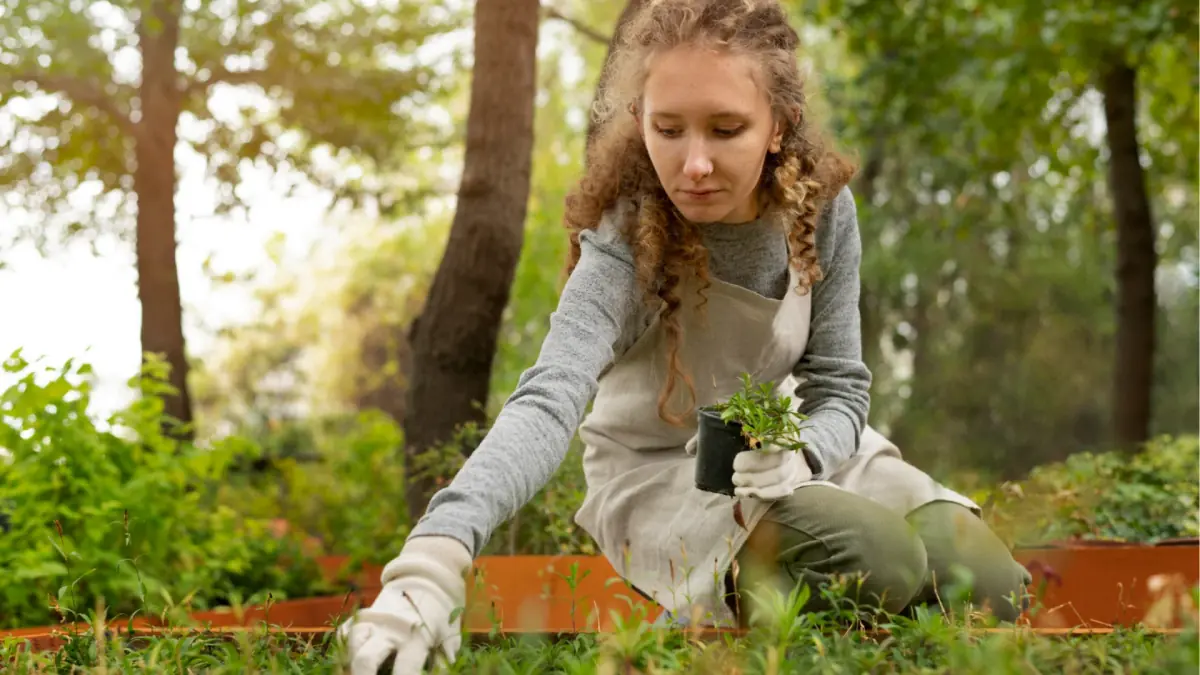
Gardening can be relaxing, rewarding, and a great way to improve your home’s outdoor space. But even small errors can lead to weak plants, poor growth, and wasted time and money. Many people start gardening with excitement, but they don’t realize how sensitive plants can be to the wrong conditions. For more useful guides, explore our Cleaning section.
The good news is that most Gardening Mistakes are easy to fix once you understand what causes them. This guide will help you avoid the most common problems, grow healthier plants, and enjoy better results in every season.
Why Gardening Mistakes Happen So Often
Most gardening problems happen because beginners follow random tips without understanding their plants. Every plant needs the right balance of sunlight, water, soil, and care. When one factor is missing, growth becomes slow or unhealthy.
Another reason is impatience. Many gardeners expect quick results and overdo things like watering, fertilizing, or pruning. Gardening works best with consistent care and a simple routine instead of rushing the process.
Gardening Mistakes Related to Watering
Watering seems simple, but it is one of the biggest causes of plant failure. Too much water can rot the roots, and too little water can dry out the plant quickly.
Overwatering Your Plants
Overwatering is one of the most common Gardening Mistakes. When soil stays wet all the time, plant roots do not get enough oxygen. This can lead to root rot, fungus, and weak plant growth.
A simple way to avoid this problem is to check the soil before watering. If the top layer is still moist, wait another day. Most plants grow better with deep watering less often rather than light watering every day.
Underwatering in Hot Weather
Underwatering is also a big issue, especially during summer. Plants lose water quickly due to heat and wind. If your plant looks dull, drooping, or dry, it may need more frequent watering.
The best time to water is early morning. This helps water reach the roots before the sun gets too strong. Watering at night can sometimes increase moisture-related diseases, especially in humid areas.
Gardening Mistakes Related to Soil
Soil is the foundation of every garden. Even if you buy good plants, they will not grow well in poor soil.
Using the Wrong Soil Type
Different plants need different soil conditions. Some plants like loose, sandy soil, while others prefer rich and slightly moist soil. If the soil is too hard or drains poorly, roots cannot spread properly.
A basic soil test can help you understand your soil type. You can also improve soil quality by adding compost, coco peat, or organic matter to support plant growth.
Forgetting to Add Compost or Nutrients
Plants need nutrients to grow strong leaves, flowers, and fruits. If the soil lacks nutrients, plants become weak and produce fewer flowers or vegetables.
Adding compost is one of the easiest ways to feed your garden naturally. It improves soil structure and supports healthy roots. This is an important step to avoid long-term Gardening Mistakes that reduce plant growth.
Gardening Mistakes Related to Sunlight
Sunlight is just as important as water. Many plants need the correct amount of sun to grow properly, but people often place them in the wrong location.
Placing Plants in the Wrong Light Conditions
Some plants need full sunlight, while others grow best in partial shade. If a sun-loving plant is placed in shade, it grows slowly and looks weak. If a shade plant is placed in direct sun, its leaves may burn and dry out.
Always read plant labels or search the sunlight requirement before planting. This small step prevents many common gardening failures.
Ignoring Seasonal Sun Changes
The sun’s direction changes during different seasons. A location that gets good sun in winter may become too hot in summer. That’s why it’s important to observe your garden space during the year.
If possible, use pots for sensitive plants so you can move them when needed. This helps protect plants and reduces Gardening Mistakes related to heat stress.
Gardening Mistakes While Planting
Planting Too Close Together
When plants are too close, they compete for sunlight, water, and nutrients. Crowded plants also reduce airflow, which increases pest problems and fungal diseases. Better ventilation and plant dehumidifiers also help reduce humidity
Always follow spacing guidelines. Giving plants room helps them grow bigger, healthier, and stronger. Proper spacing also makes your garden look cleaner and easier to maintain.
Planting at the Wrong Time
Some plants grow best in cool weather, while others need warm temperatures. Planting at the wrong time can lead to poor germination and slow growth.
If you want better success, choose plants according to your local climate and season. This is one of the most important ways to avoid Gardening Mistakes early in the process.
Gardening Mistakes with Fertilizers and Chemicals
Over-Fertilizing Your Garden
Too much fertilizer can burn roots and leaves. It can also cause fast leaf growth with fewer flowers or fruits. Many gardeners think more fertilizer means better growth, but it often creates the opposite result.
Use fertilizer only when needed and follow the instructions on the product. Organic options like compost and natural manure are safer for long-term gardening.
Using Harsh Chemicals Without Need
Using chemicals too often can kill beneficial insects and reduce soil quality. It can also make plants dependent on chemicals instead of building natural strength.
If pests appear, first try gentle solutions like neem spray, soap water, or manual removal. These methods are safer and help you avoid major Gardening Mistakes that harm the environment.
Gardening Mistakes Related to Maintenance
Not Removing Weeds Early
Weeds compete with plants for nutrients and water. They also attract pests and make the garden look messy. If you remove weeds early, it becomes much easier to control them.
Mulching is a great way to reduce weeds. It also keeps the soil moist and improves the overall look of your garden.
Skipping Pruning and Deadheading
Pruning helps plants grow in a healthy shape. Deadheading means removing old flowers so the plant can produce new blooms.
If you never prune or remove dead parts, plants may become weak and stop flowering properly. Regular care prevents many Gardening Mistakes and keeps your garden fresh.
FAQs
What are the most common Gardening Mistakes beginners make?
Beginners often overwater, use poor soil, plant in the wrong sunlight, and overcrowd plants. These mistakes can be fixed with simple care and planning.
How often should I water my garden?
It depends on weather, plant type, and soil. Most gardens do well with deep watering a few times a week instead of daily light watering.
Is compost necessary for gardening?
Yes, compost improves soil quality and adds nutrients. It helps plants grow stronger and reduces the need for chemical fertilizers.
Can I garden successfully in small spaces?
Yes. You can use pots, vertical gardening, and small raised beds. With good sunlight and watering, small gardens can be very productive.
How can I prevent Gardening Mistakes in the future?
Follow a simple routine, observe your plants regularly, and learn what each plant needs. Small daily attention prevents big problems.
Conclusion
Gardening becomes much easier when you avoid the most common Gardening Mistakes. Simple changes like watering correctly, improving soil, providing the right sunlight, and planting with proper spacing can greatly improve your results.
Start with small steps and focus on consistency. Over time, you will learn what works best for your plants, and your garden will grow healthier, greener, and more beautiful every season.