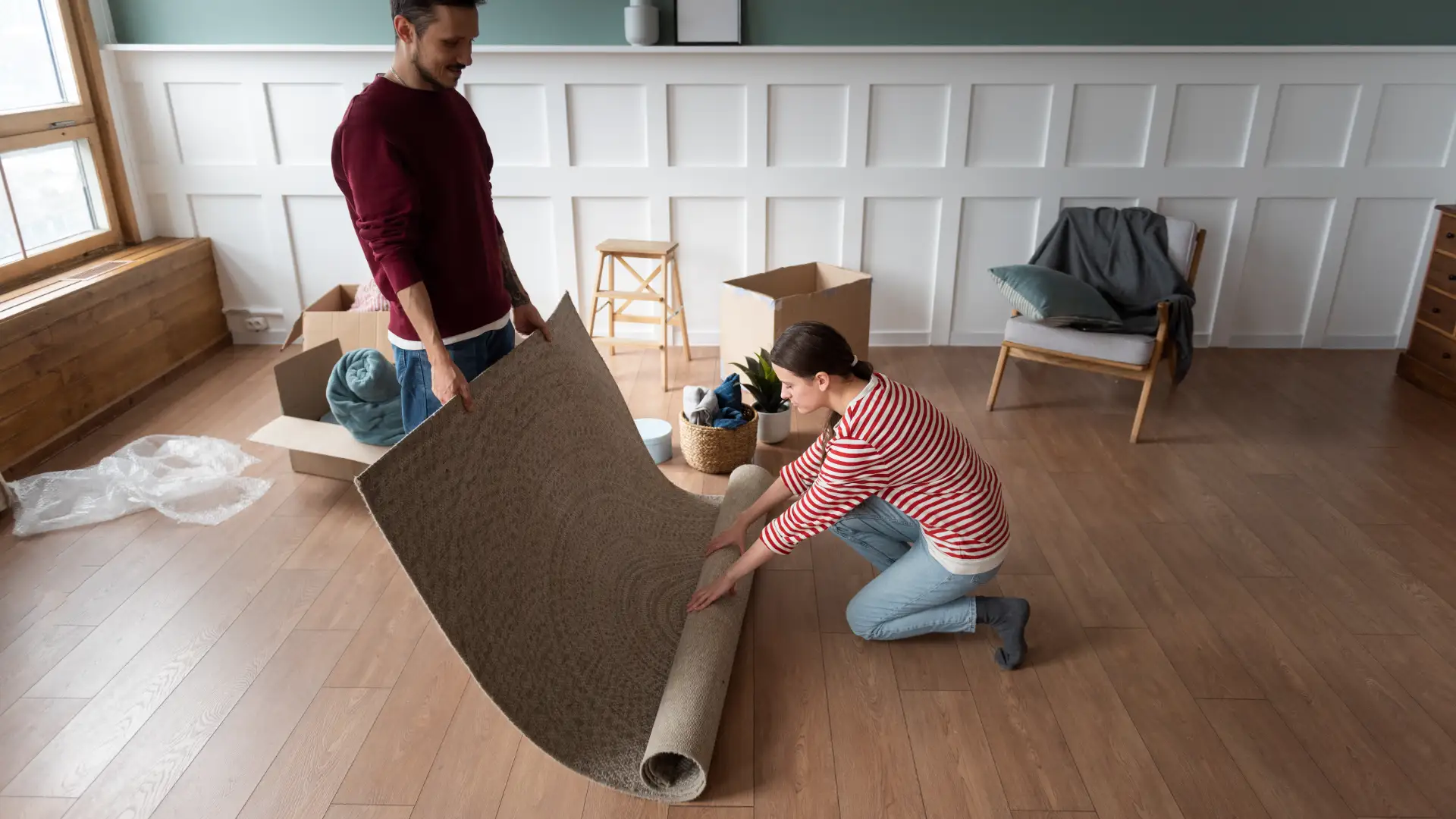
Florida homes age differently. The same house that would last decades in a dry, temperate climate can show wear in just a few years here — warped planks, cracked grouts, and floors that never quite feel stable underfoot. The culprit is almost always the same: humidity, heat cycles, and a coastal environment that puts constant pressure on every material inside your home.
Understanding how climate affects flooring isn't just a matter of aesthetics. It directly shapes what you should buy, what you should avoid, and how much you'll spend maintaining what you install.
The Problem with Materials That Can't Handle Moisture
Wood is the first casualty in most Florida homes. Solid hardwood expands and contracts with shifts in humidity, and in a state where indoor humidity levels can swing dramatically between a dry winter and a wet summer; those movements add up. Gaps form between planks. Edges cup. Finishes peel at the seams. What looked beautiful in a showroom becomes a maintenance burden within a few seasons.
Carpets hold a different set of problems. Moisture doesn't evaporate from fibers the way it does from hard surfaces. In humid environments, the carpet holds onto that moisture — and what lives in it. Dust mites, mold spores, and allergens accumulate faster in Florida homes with carpet than in drier regions, making it a poor long-term choice for bedrooms and living areas alike.
Why Tile Performs Differently Here
Ceramic and porcelain tile don't absorb moisture the way organic materials do. Porcelain in particular has an extremely low water absorption rate, which makes it functionally resistant to the humidity of swings that degrade other flooring types. It doesn't swell, shrink, or warp. The same tile that handles a spill on a Monday will handle the sticky air of a Florida August without complaint.
This is a practical reason why tile installation St Augustine FL has grown as a preference among homeowners who've learned the hard way their first flooring choice cost them to replace.
Beyond moisture, the tile also handles heat well. Florida homes with large windows and significant sun exposure can see indoor floor temperatures rise substantially. Materials
like vinyl can soften or shift under prolonged heat exposure. Tile stays dimensionally stable, which means the layout you install is the layout you keep.
The Subfloor Is Where Most Mistakes Get Made
Even the right material fails when installed over a compromised subfloor. Florida's slab-on-grade construction — common in homes built across the state — can develop moisture issues over time, particularly in older properties near the coast. Before any tile goes down, the slab needs to be checked for moisture vapor transmission. Skipping this step leads to tile that debonds from the adhesive, grout that cracks prematurely, and floors that sound hollow underfoot.
This is why the prep work before installation matters as much as the tile itself. Grinding down high spots, filling low areas, and applying the correct membrane or primer for moisture control are steps that don't show in the final product but determine how long it lasts.
Layout Direction and Room Perception
Flooring direction affects how a room reads visually — and in Florida homes with open floor plans and outdoor living areas, this has real design implications. Running tile diagonally across a main living space can make the room appear larger. Aligning planks or tiles parallel to the longest wall tends to draw the eye outward, which works especially well in homes where the interior flows toward a patio or pool area.
Large-format tiles reduce the number of grout lines in a space, which creates a cleaner, more continuous visual. This has become increasingly popular in Florida kitchens and bathrooms, where the goal is often to make the transition between indoor and outdoor feel as seamless as possible.
Grout Is Not an Afterthought
One of the most underestimated decisions in any tile project is grout selection. In a humid climate, standard sanded grouts can absorb moisture and harbor mold over time. Epoxy grout, while more expensive and harder to work with, is significantly more resistant to staining and moisture penetration. For bathrooms and kitchens in particular, the additional upfront cost almost always pays off in reduced maintenance over the life of the floor.
Grout color also matters more than most people expect. Light grouts in a high-traffic area will show soiling quickly. Darker grout hides dirt but can fade unevenly in spaces with
significant sun exposure. Matching grout color to the tile — or going slightly contrasting for visual definition — is a decision worth thinking through before installation day.
Choosing for the Long Term
The most expensive floor in a Florida home is the one you have to replace. Material costs, labor, removal, and disposal add up fast — often exceeding the original installation cost. Choosing a material that performs in this specific climate, installed correctly over a properly prepared surface, is the decision that saves money over time.
Florida homes reward practical choices. The floor that holds up through ten hurricane seasons, stays clean through summer humidity, and still looks considered when it's time to sell — that's the one worth investing in from the start.