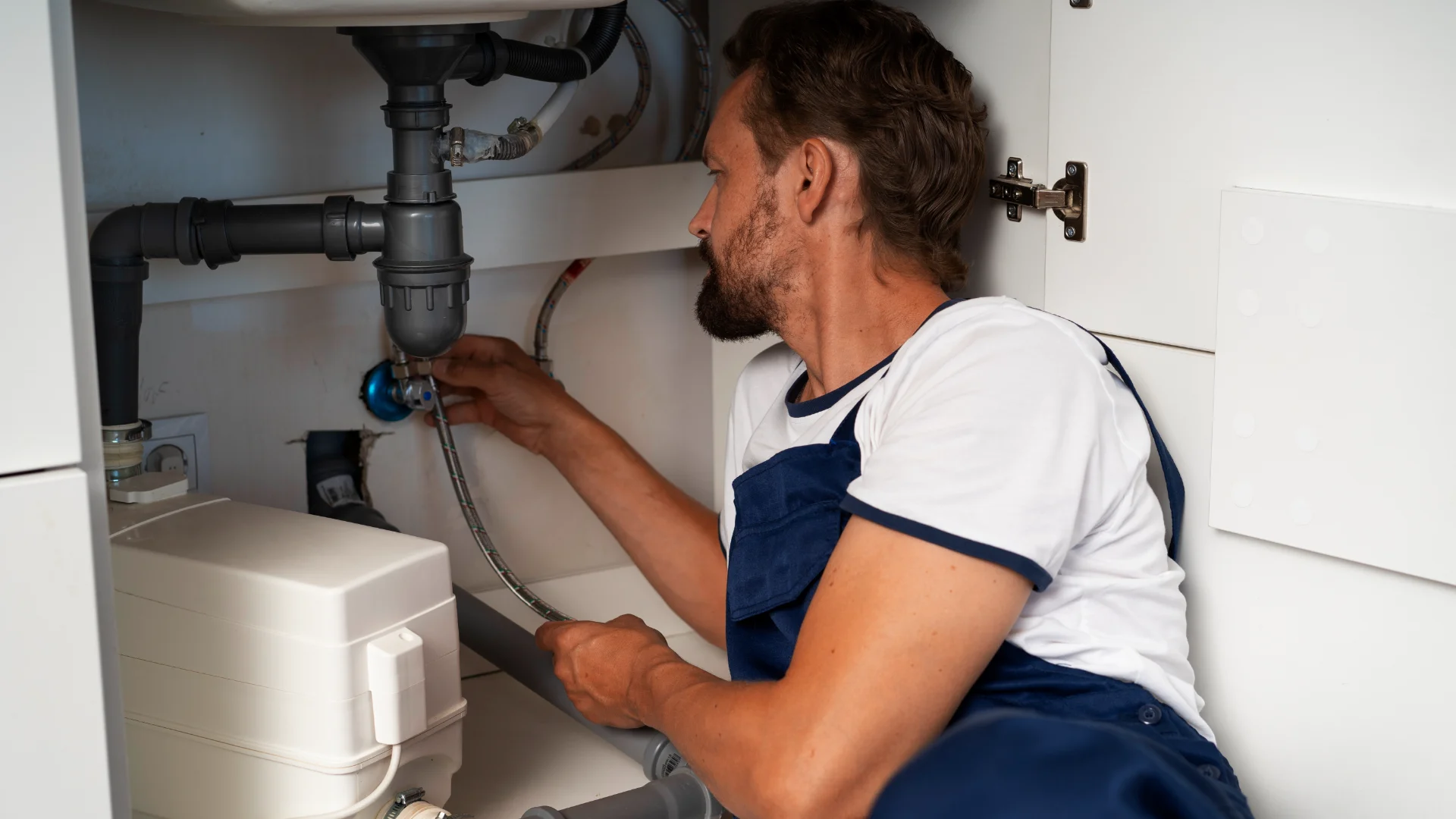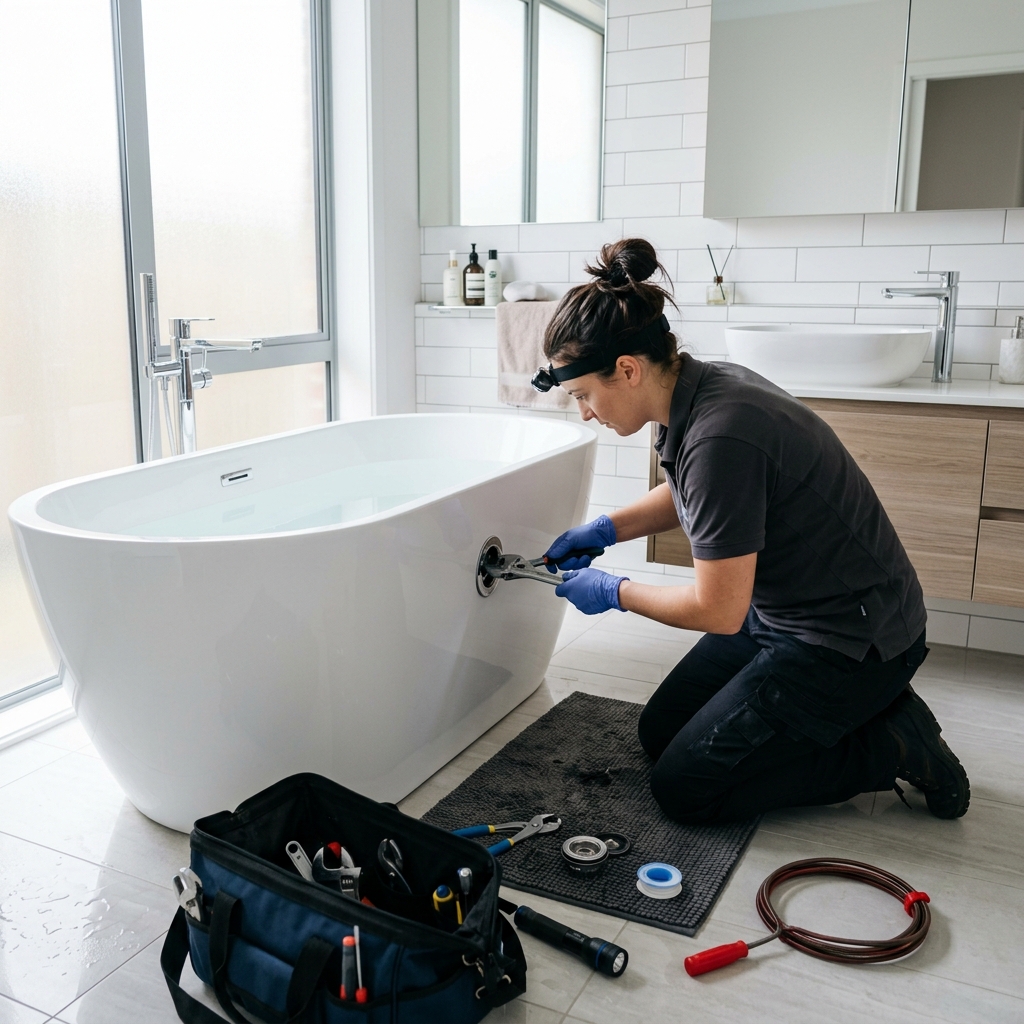
A blocked bath can quickly disrupt your daily routine, turning a relaxing soak into
a frustrating problem. Slow drainage, standing water, and unpleasant odours are all
common signs of a blockage. Fortunately, many minor issues can be resolved quickly
at home, and with the right preventative steps, you can avoid the problem happening
again.
If you’re dealing with blocked baths in maidstone, understanding the cause and
acting promptly can help restore proper drainage and prevent more serious plumbing
issues from developing.
Identify the Cause of the Blockage
Before attempting to fix the issue, it’s important to understand what’s causing the
blockage. In most cases, bath drains become clogged due to a build-up of hair, soap
residue, and dirt over time.
Other contributing factors may include limescale deposits or foreign objects
accidentally entering the drain. Identifying the cause helps you choose the most
effective solution and avoid unnecessary effort.
Try Simple DIY Solutions First
For minor blockages, there are a few simple methods you can try before calling a
professional:
- •Boiling water:Pouring hot water down the drain can help dissolve soap and grease build-up.
- •Plunger: A standard plunger can create pressure to dislodge the blockage.
- •Baking soda and vinegar: This natural solution can help break down debris and clear mild clogs.
These methods are often effective for small, surface-level blockages and can restore
normal water flow quickly.
Remove Visible Debris
In many cases, the blockage is located near the surface of the drain. Removing the
drain cover and clearing out visible hair and debris can make a significant
difference.
Using a drain snake or a simple tool designed for pulling out hair can help reach
slightly deeper clogs. Regularly removing this build-up is one of the easiest ways
to keep your bath draining properly.
Avoid Harsh Chemical Cleaners
While chemical drain cleaners may seem like a quick fix, they can cause damage to pipes over time, especially if used frequently. They may also fail to fully remove stubborn blockages, leading to recurring issues.
It’s generally better to use mechanical or natural methods first, and only consider stronger solutions when necessary.
Prevent Future Blockages
Prevention is key when it comes to maintaining a clear and efficient bath drain. A few simple habits can significantly reduce the risk of future problems:
- •Use a drain cover to catch hair and debris
- • Avoid washing large amounts of dirt or residue down the drain
- • Flush the drain regularly with hot water
These small steps can help maintain smooth drainage and reduce the likelihood of clogs forming.
Know When to Call a Professional
If the blockage persists despite your efforts, it may be a sign of a deeper issue within the plumbing system. Recurring clogs, slow drainage, or unpleasant smells could indicate a more serious problem that requires professional attention.
Plumbing specialists have the tools and expertise to diagnose and resolve complex blockages safely and efficiently, ensuring your system is fully restored.
Conclusion
Fixing a blocked bath doesn’t have to be complicated. With quick action and simple maintenance habits, you can resolve minor issues and prevent them from returning.
By understanding the common causes and taking preventative steps, you can keep your bath drain clear and your plumbing system running smoothly for the long term.