Southern California is known for its abundant sunshine and warm climate, which can create significant challenges for commercial building owners. While sunlight is a major benefit for the region, constant exposure to solar heat can cause commercial roof surfaces to become extremely hot. That heat can transfer into a building, increase cooling demands, and contribute to higher operating costs.
This is where cool roofing can make a meaningful difference. Designed to reflect more sunlight and release absorbed heat efficiently, cool roofing systems can help commercial properties maintain more comfortable indoor conditions while supporting energy efficiency.
For property owners considering an upgrade, professional Cool Roofing Services in Southern California can provide a practical way to improve roof performance while addressing the demands of the local climate.
What Is a Cool Roof?
A cool roof is a roofing system designed to absorb less solar energy than conventional roofing materials. Instead of allowing a large portion of sunlight to become heat, a cool roof reflects more solar radiation and releases absorbed heat more effectively.
Two important characteristics help determine how a roofing material performs:
- •Solar reflectance: The ability of a roof surface to reflect sunlight.
- •Thermal emittance: The ability of the surface to release absorbed heat.
A roof with appropriate reflective and emissive properties can remain substantially cooler under direct sunlight than a conventional dark roof. According to California's Cool California program, reducing roof temperatures can also reduce the amount of heat transferred into the upper areas of a building and lower the demand for air conditioning.
Why Cool Roofing Matters in Southern California
The climate in Southern California makes roof temperature an important consideration for commercial properties. Buildings may experience prolonged periods of strong sunlight, particularly during the warmer months. A traditional roof can absorb considerable solar energy throughout the day, increasing the thermal load on the building.
A properly selected cool roofing system can help address this issue in several ways.
1. Improved Energy Efficiency
One of the biggest advantages of cool roofing is its potential to reduce cooling requirements. When a roof absorbs less heat, less heat is transferred through the roof assembly and into the building.
This can reduce the workload placed on air-conditioning equipment, particularly during hot afternoons when cooling demand is typically highest.
The actual energy savings will vary depending on factors such as building design, insulation, roof type, weather conditions, HVAC efficiency, and the roofing material selected. Therefore, property owners should view cool roofing as one component of an overall energy-efficiency strategy rather than a guaranteed percentage reduction in utility costs.
2. Greater Indoor Comfort
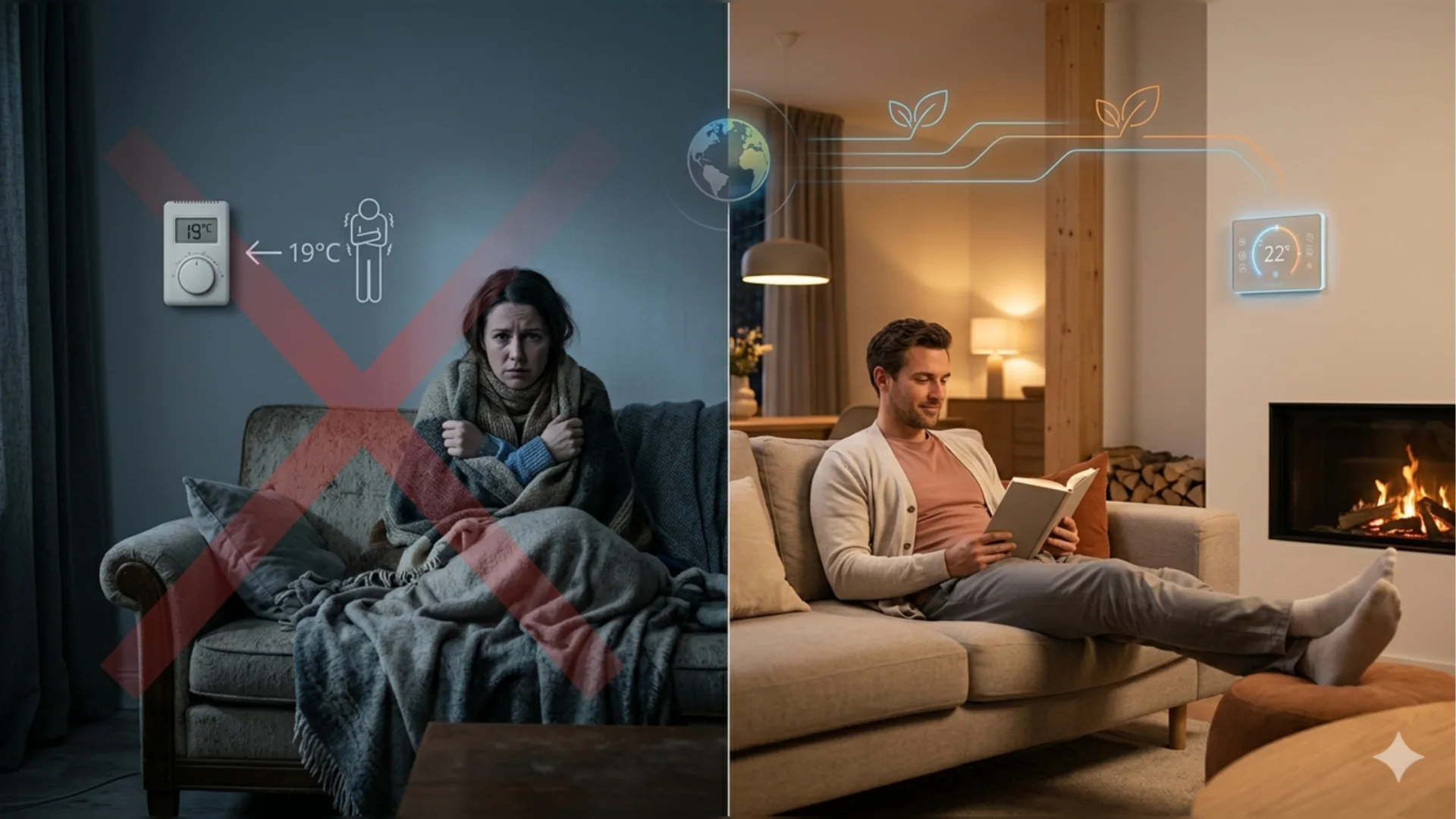
A roof that becomes extremely hot can contribute to higher temperatures inside the building, especially in areas directly below the roof.
By limiting solar heat absorption, a cool roof can help moderate roof-deck and upper-floor temperatures. This can contribute to a more comfortable environment for employees, tenants, customers, and visitors.
For commercial buildings that operate throughout the day, maintaining comfortable indoor temperatures can be particularly important.
3. Potentially Lower HVAC Demand
Air-conditioning systems work harder when a building gains substantial heat through its exterior surfaces. By reducing heat transfer through the roof, a cool roofing system may help reduce the cooling load placed on HVAC equipment.
Lower demand can potentially support more efficient operation and reduce stress on cooling equipment during periods of extreme heat.
4. Support for Roof Longevity
Roofing materials are exposed to sunlight, heat, temperature fluctuations, moisture, wind, and other environmental factors. Excessive heat can contribute to material aging over time.
Cool roofing may help reduce the surface temperature of a roof, which can support the long-term performance of certain roofing systems. However, longevity ultimately depends on the roofing material, installation quality, maintenance program, weather exposure, and overall roof design.
5. Environmental Benefits
Cool roofs can also provide benefits beyond an individual building. When buildings require less electricity for cooling, electricity demand can decrease, particularly during periods of high summer demand.
California's environmental resources note that widespread use of cool roofs can also contribute to reducing the urban heat island effect because cooler roof surfaces transfer less heat into surrounding air.
Cool Roofing and California Building Requirements
Another important consideration for Southern California commercial property owners is California's energy code.
California's Title 24, Part 6 includes requirements concerning roofing materials, solar reflectance, thermal emittance, and Solar Reflectance Index (SRI). The precise requirements can depend on factors including climate zone, roof slope, building type, roof area, and whether the project involves new construction or an existing roof.
The 2025 California Energy Code, which took effect January 1, 2026, includes updated roofing requirements for new construction and re-roofing projects. Roofing products used for compliance may need appropriate Cool Roof Rating Council (CRRC) ratings.
Because code requirements can vary by project, building owners should not assume that one roofing specification applies to every property. A qualified roofing professional can evaluate the project and determine which requirements and compliance options apply.
Choosing the Right Cool Roofing System
Not every cool roof is the same. Commercial properties can use different roofing systems and materials depending on the building's structure, roof slope, existing membrane, budget, maintenance requirements, and energy goals.
When evaluating a cool roofing option, property owners should consider:
Roof Type
The existing roofing system is one of the first factors to evaluate. Commercial buildings may use single-ply membranes, modified bitumen, built-up roofing, coatings, metal roofing, or other systems.
The appropriate solution depends on the existing roof and the property's specific requirements.
Reflective Performance
A roofing product's solar reflectance and thermal emittance can affect how effectively it manages solar heat. Property owners should review documented product performance rather than choosing a system based solely on its color or appearance.
CRRC Ratings
The Cool Roof Rating Council provides standardized information about roofing products and their radiative properties. CRRC-rated products can help contractors and property owners evaluate roofing materials against applicable requirements.
Existing Roof Condition
Before installing a new roofing system or coating, the existing roof should be inspected carefully. Moisture intrusion, damaged insulation, deteriorated membranes, poor drainage, or structural concerns may need to be addressed before a new system is installed.
Long-Term Maintenance
A quality roofing system still requires regular inspections and maintenance. Keeping drains clear, identifying damaged areas early, maintaining flashing, and addressing small problems before they become major failures can help protect the investment.
Is Cool Roofing Worth Considering for Your Commercial Property?
For many Southern California commercial buildings, cool roofing can be a worthwhile consideration because of the region's strong solar exposure and cooling demands.
However, the best roofing decision should be based on the entire building rather than one feature. A professional assessment can consider the roof's current condition, insulation, drainage, HVAC system, building use, energy goals, applicable code requirements, and expected service life.
In some cases, installing a new cool roofing system may be the most appropriate solution. In others, a reflective roof coating or another roofing approach may provide a better fit.
The key is to select a system based on the property's actual needs rather than simply choosing the most reflective material available.
Professional Installation Makes a Difference
Even high-quality roofing materials can perform poorly when they are improperly installed. Commercial roofing involves details such as seams, flashing, penetrations, drainage, insulation, edge conditions, and compatibility between materials.
Professional installation helps ensure that these components work together as part of a complete roofing system.
A qualified contractor can also help property owners understand product specifications, maintenance requirements, project timelines, and applicable energy-code considerations.
Final Thoughts
Southern California's warm, sunny climate makes roof performance an important consideration for commercial property owners. Cool roofing offers a way to reduce solar heat absorption, potentially lower cooling demand, improve indoor comfort, and support broader energy-efficiency goals.
The benefits of a cool roof depend on the building, roofing material, installation quality, climate conditions, and maintenance practices. That's why choosing the right system requires more than simply selecting a light-colored roof.
For businesses considering a commercial roofing upgrade, professional Cool Roofing Services in Southern California can help identify an appropriate solution based on the property's needs and applicable California requirements. With careful planning and professional installation, a cool roofing system can become a valuable part of a commercial property's long-term roofing and energy strategy.