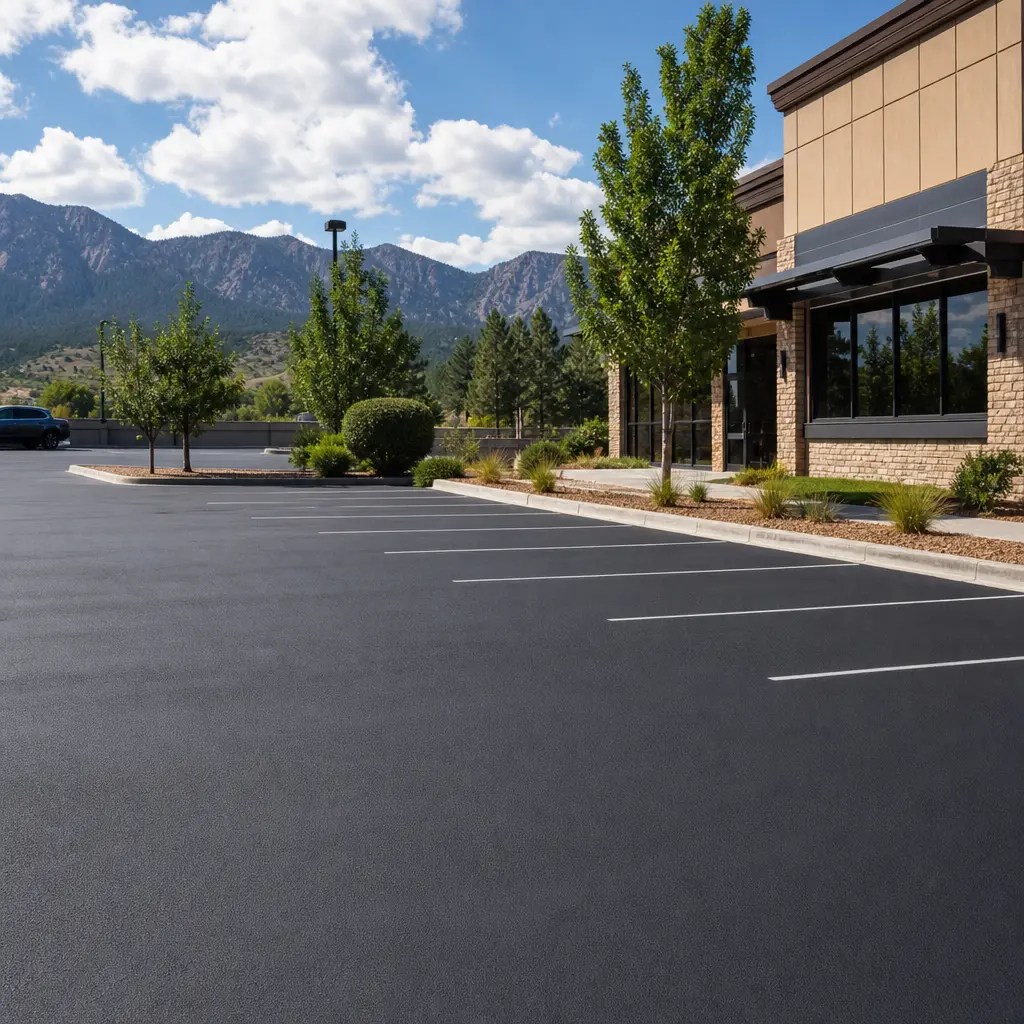
For business owners in Colorado Springs, the condition of your parking lot or commercial driveway speaks volumes before a single customer walks through your door. Cracked, deteriorating asphalt doesn't just look unprofessional — it creates liability risks, discourages foot traffic, and can lead to far more expensive structural failures if left unaddressed. Understanding when and why to invest in professional asphalt repair is one of the most practical decisions a commercial property owner can make in this region.
The Unique Challenges Colorado Springs Poses for Asphalt Surfaces
Colorado Springs sits at an elevation of over 6,000 feet, and its climate is anything but predictable. The city experiences dramatic temperature swings throughout the year — warm, sunny afternoons can give way to freezing overnight temperatures, sometimes within the same week. This freeze-thaw cycle is one of the most destructive forces acting on asphalt surfaces. Water seeps into small cracks, freezes, expands, and then contracts as temperatures rise, gradually widening those cracks into potholes and structural failures.
Beyond temperature fluctuations, Colorado Springs receives significant UV exposure due to its altitude. Ultraviolet radiation breaks down the binding agents in asphalt over time, causing the surface to become brittle, gray, and prone to cracking. Add to that the weight of commercial vehicles, delivery trucks, and consistent daily traffic, and it becomes clear why commercial asphalt in this region requires more attentive maintenance than in many other parts of the country.
Recognizing the Warning Signs Before Damage Escalates
Many property managers make the mistake of waiting until damage is visually severe before scheduling repairs. By that point, what might have been a straightforward crack sealing or patching job has evolved into a full resurfacing or even replacement project — a significantly more costly undertaking. Knowing what to look for early can save thousands of dollars and extend the life of your pavement by years.
Alligator Cracking
Named for its resemblance to reptile skin, alligator cracking is a network of interconnected cracks that typically signals base layer failure. This type of damage is not a surface issue — it indicates that the foundational layers beneath the asphalt are compromised, often due to poor drainage, inadequate compaction during installation, or prolonged water infiltration. Addressing it early with targeted repair prevents the need for full-depth reclamation later.
Potholes and Depressions
Potholes are not just an eyesore — they are a genuine safety hazard for pedestrians and vehicles alike. Depressions in the pavement surface allow water to pool, which accelerates further deterioration and can damage vehicle suspensions. For commercial properties, a pothole in a parking lot is also a liability waiting to happen. Prompt repair protects both your customers and your business from unnecessary risk.
Raveling and Surface Deterioration
Raveling occurs when the aggregate in asphalt begins to separate from the binder, leaving a rough, loose surface. It's often one of the earliest signs that the asphalt is aging and that protective sealcoating should have been applied sooner. Catching raveling early allows for cost-effective surface treatments rather than full replacement.
The Role of Subgrade Quality in Long-Term Pavement Performance
One aspect of asphalt repair that is frequently overlooked is the condition of the subgrade — the native soil or engineered base material beneath the pavement structure. Even the highest-quality asphalt mix will fail prematurely if the subgrade is unstable, poorly compacted, or susceptible to moisture infiltration. When scheduling commercial repairs, it's worth asking your contractor whether they assess subgrade conditions before applying surface treatments. According to industry guidance on the importance of proper subgrade treatment, a well-prepared base is the single most critical factor in determining how long a pavement system will last. Skipping this step is one of the most common reasons repaired asphalt fails again within a short period.
Pavement vs. Concrete: Choosing the Right Material for Commercial Applications
When planning a new commercial hardscape or considering a full replacement, property owners often weigh the merits of asphalt against concrete. Both materials have their place, and the decision depends on factors like budget, expected traffic load, climate, and aesthetic preferences. For those exploring these options in depth, community discussions around pavement or signs a concrete driveway needs replacement offer useful real-world perspectives from property owners who have navigated similar decisions.
Asphalt Coatings Company: Trusted Commercial Repair in Colorado Springs
When it comes to maintaining the integrity and appearance of commercial pavement in the Pikes Peak region, working with an experienced local contractor makes a measurable difference. Asphalt Coatings Company has built a strong reputation throughout Colorado for delivering high-quality results on commercial properties of all sizes. Their team understands the specific demands that Colorado's climate places on asphalt surfaces and brings that regional expertise to every project they undertake.
From crack sealing and pothole patching to full-depth repairs and sealcoating, their services are designed to extend pavement life and protect your investment. They work efficiently to minimize disruption to your business operations, which is a critical consideration for any commercial property that depends on consistent customer access. Their commitment to quality materials, proper preparation, and lasting results sets them apart in a market where shortcuts are all too common.
Why Timely Repairs Protect Your Bottom Line
The economics of asphalt maintenance are straightforward: preventive care is always less expensive than reactive replacement. Industry estimates consistently show that routine maintenance — including crack sealing and periodic sealcoating — can extend the life of a commercial asphalt surface by 10 to 15 years. Delaying that maintenance, on the other hand, can compress the usable life of the pavement significantly and force a full replacement at a fraction of the expected timeline.
For commercial property owners in Colorado Springs, the calculus is even more compelling given the local climate. Every winter that passes without addressing existing cracks is another season of freeze-thaw damage compounding beneath the surface. The cost of a professional repair today is a fraction of what a full parking lot replacement will cost in three to five years if damage is allowed to progress unchecked.
Taking Action: What to Expect from a Professional Assessment
Scheduling a professional evaluation of your commercial pavement is the first and most important step. A qualified contractor will assess the extent and type of damage, evaluate drainage patterns, inspect the base layer where necessary, and provide a clear recommendation for the most cost-effective repair strategy. Reputable contractors will not push unnecessary services — their goal is to match the repair scope to the actual condition of the pavement.
Businesses seeking commercial asphalt repair in Colorado Springs should look for contractors who offer transparent assessments, use quality materials appropriate for Colorado's climate, and stand behind their work with clear warranties. These are the markers of a professional operation that prioritizes long-term results over quick fixes.
Conclusion
Commercial asphalt repair in Colorado Springs is not simply a cosmetic concern — it is a fundamental aspect of responsible property management. The region's climate, elevation, and traffic demands create conditions that accelerate pavement wear, making proactive maintenance not just advisable but essential. By partnering with experienced local professionals, addressing damage early, and understanding the foundational role of proper subgrade preparation, business owners can protect their properties, their customers, and their long-term financial interests. A well-maintained parking lot is more than a surface — it is a reflection of the standards your business upholds.