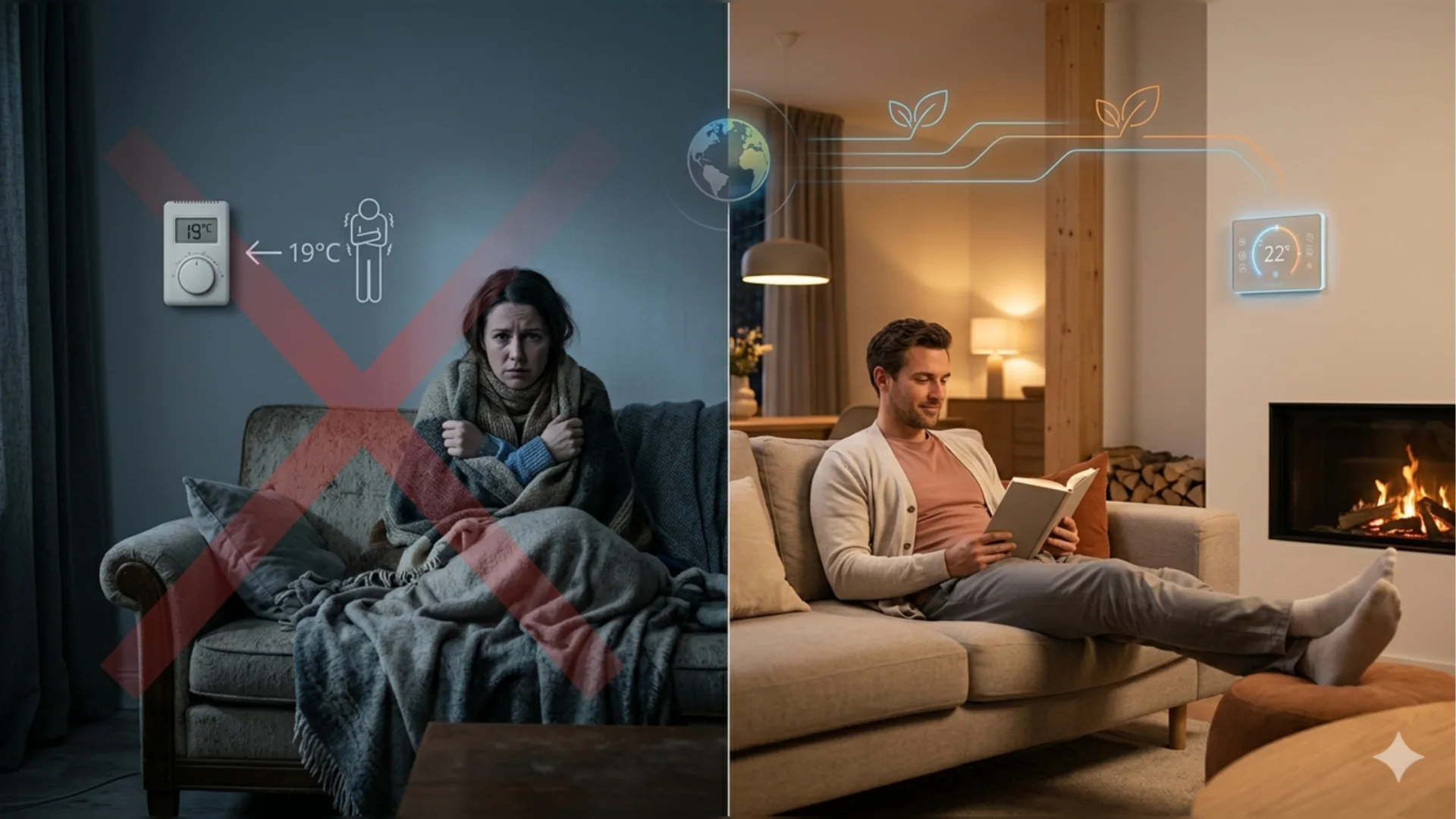
When discussing strategies to reduce stress, manage anxiety, and improve emotional well-being, lifestyle experts frequently recommend mindfulness exercises, dietary adjustments, or sleep habit improvements. However, one of the most powerful and immediate mental health tools is the condition of your physical environment. The state of our living spaces directly reflects and influences our psychological health. A messy, chaotic home can cause chronic mental fatigue, while an organized, immaculate space promotes a deep sense of calm, control, and focus.
Understanding the deep relationship between outer order and inner peace allows individuals to use home organization as a form of self-care. For busy professionals dealing with demanding work schedules, outsourcing heavy housekeeping chores to an expert agency like PROCLEAN offers a practical way to protect their mental well-being. Delegating these exhausting chores eliminates a major source of stress, allowing you to return to a peaceful, refreshing home after a long day.
Human brains are designed to appreciate order and symmetry. When our immediate surroundings are cluttered, our minds are forced to process excess visual data, which can negatively affect our mood and productivity.
The Science Behind Mess and Cortisol Production
Psychological research has shown that living in a cluttered environment directly impacts our hormone levels and emotional states.
Clutter as a Source of Chronic Stress
A study conducted by researchers at the University of California, Los Angeles (UCLA) tracked thirty-two dual-income families and found a strong link between high home clutter and elevated levels of cortisol, the human body’s primary stress hormone. Women who perceived their homes as messy experienced chronic stress patterns throughout the day. The brain treats clutter as an unfinished task, creating a constant state of low-grade anxiety.
Overcoming Executive Dysfunction Through Organization
For individuals dealing with depression or high anxiety, managing a messy house can feel completely overwhelming. This situation can trigger executive dysfunction, where the sheer volume of chores causes mental paralysis. Breaking down your organization tasks into small, manageable steps helps restore a sense of control, boosting self-confidence and mental clarity.
The Calming Effect of Routine Cleaning Rituals
The physical act of cleaning can serve as a form of active meditation. Repetitive, predictable actions like washing dishes, wiping counters, or vacuuming rugs offer a healthy mental escape from racing thoughts or professional worries. It provides immediate visual satisfaction, giving you a tangible sense of accomplishment in a short amount of time.
How Clean Rooms Improve Cognitive Performance
An organized home environment does more than just lower stress; it directly improves your brain's ability to focus, process information, and think creatively.
Enhancing Focus and Task Completion
When your workspace or living area is clean, your brain can focus entirely on the task at hand. Visual clutter acts as a constant distraction, pulling your attention away and reducing your short-term memory capacity. A clean workspace allows for faster learning and higher productivity.
Fostering Better Rest and Sleep Quality
The state of your bedroom directly impacts how well you sleep at night. Studies show that individuals who sleep in clean bedrooms with made beds report higher sleep quality and wake up feeling more refreshed. An organized bedroom allows your mind to unwind and transition into deep sleep without visual reminders of chores.
| Environmental State | Psychological Impact | Cognitive Outcome | Daily Behavior Shift |
| High Visual Clutter | Elevated cortisol levels, constant anxiety | Reduced focus, mental fatigue | Chronic procrastination |
| Immaculate & Clean | Lowered stress, deep relaxation | High focus, sharp memory | Increased daily motivation |
| Fresh Air & Sunlight | Boosted serotonin production | Better problem-solving skills | Improved emotional balance |
| Organized Desk | Sense of complete control | Creative thinking, fast output | Professional confidence |
| Clean Bedroom | Peace of mind, mental calm | Restful sleep, clear thinking | Energized morning routine |
The Social and Behavioral Benefits of a Welcoming Space
Maintaining an organized home improves your relationships and social life by eliminating shame and opening up your space for community connection.
- •Eliminating Social Anxiety: A clean home means you never have to deal with the anxiety of "panic-cleaning" before unexpected guests arrive.
- •Improved Family Relationships: Sharing an organized, clean living space reduces daily arguments over missing items and household chores.
- •Encouraging Healthy Choices: Studies indicate that people working in clean environments are more likely to make healthy food choices and exercise regularly.
Frequently Asked Questions
Why does clutter cause me to feel physically tired?
Clutter creates a constant visual distraction that forces your brain to work harder to filter out irrelevant information, causing mental exhaustion over time.
Can cleaning help reduce feelings of intense anger?
Yes, the physical energy required for cleaning serves as a healthy channel to release tension, while creating order provides a sense of control.
How do I start cleaning when I feel completely overwhelmed?
Start with a tiny, manageable area, like a single drawer or counter. Completing that small space creates momentum to tackle larger zones.
Is there a psychological reason why I hold onto useless clutter?
Many people experience loss aversion or attach strong emotional memories to inanimate objects, making it difficult to throw them away.
How does a clean home environment affect child development?
Children raised in organized homes generally show better self-regulation skills, lower stress levels, and higher focus in school.
Conclusion
The condition of your home plays a major role in shaping your daily mental health and emotional well-being. Visual clutter acts as a constant drain on your brain's processing power, leading to elevated stress hormones and chronic anxiety. By establishing simple organization habits and maintaining clean living spaces, you create a calm environment that supports mental clarity and focus. Reclaiming control over your physical surroundings is a powerful form of self-care that improves your mood and quality of life.