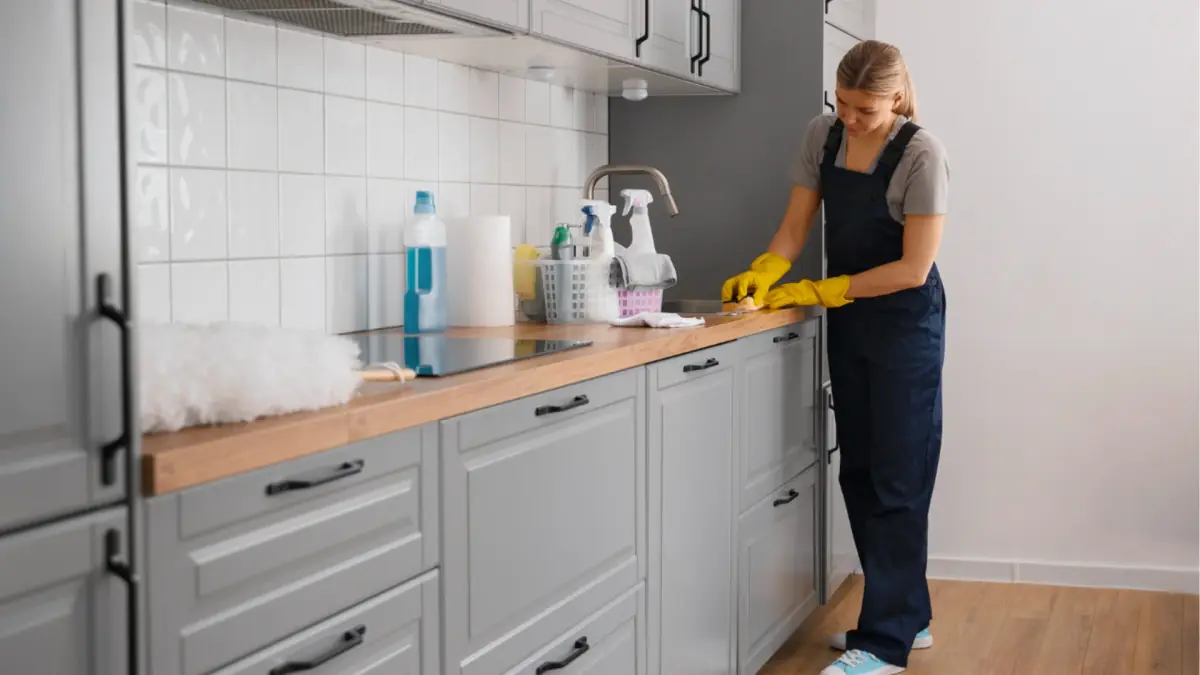
Kitchen cabinets are one of the first things people notice in a home. Even if your
kitchen looks modern and organized, dirty or greasy cabinets can make the entire
space
look dull. Over time, cabinets collect dust, fingerprints, oil, and food stains,
especially around handles and cooking areas.
For more useful guides, explore our DIY Projects section. For expert advice, check out our Gardening guides.
The good news is you can Clean Cabinets at home without expensive products or
professional help. With the right routine and gentle cleaning methods, your cabinets
can
look fresh, clean, and shiny again in less time than you think.
Why Cabinets Get Dirty So Fast
Cabinets sit close to cooking, which means they get exposed to steam, grease, and
heat
almost every day. Even when you clean your kitchen regularly, cabinet surfaces still
collect buildup because oils in the air stick to them.
Another reason is frequent touching. Hands leave fingerprints, especially on glossy
or
dark cabinets. Around the stove area, grease particles create a sticky layer that
traps
dust and makes cleaning harder if ignored for too long.
What You Need Before You Clean
Cabinets
Cabinet cleaning becomes easy when you prepare the right tools and products. You
don’t
need many items, but you should use gentle materials to avoid scratching or damaging
the
finish.
Here are the basic items that make the job easier:
- •Microfiber cloth or soft sponge
- •Mild dish soap and warm water
- •A dry towel for final wiping
These simple tools help you Clean Cabinets safely without ruining paint, polish, or
wood
finish.
Step-by-Step Guide to Clean
Cabinets Properly
The best way to clean cabinets is to work in sections. This prevents streaks and
helps
you stay organized. Always start with light cleaning and move to stronger methods
only
if the grease is heavy.
Step 1: Remove Dust and Dry
Dirt First
Before using water or any cleaner, wipe cabinets with a dry microfiber cloth. This
removes loose dust and prevents muddy stains from forming when the surface gets wet.
Focus on the top edges of cabinets because they collect dust that you may not notice
at
first. Cleaning dry dirt first makes the full process faster and smoother.
Step 2: Use Warm Soapy Water
for Daily Cleaning
Warm water mixed with mild dish soap works well for most cabinet surfaces. Dip your
cloth into the mixture, wring it out properly, and wipe the cabinet gently.
Do not soak cabinets with too much water because moisture can damage wood or cause
swelling. After wiping, use a clean damp cloth to remove soap residue, then dry the
surface immediately.
This method is best if you want to Clean Cabinets regularly and keep them looking
new.
Step 3: Remove Grease Buildup
Safely
Grease is common around stove-side cabinets. It creates a sticky layer that needs a
little extra attention. Dish soap can remove light grease, but heavier grease may
require a stronger gentle solution.
A mixture of warm water and a small amount of vinegar can help break down grease.
Apply
it using a cloth, let it sit for a minute, then wipe clean. Always test on a small
hidden spot first to avoid damaging the finish.
Step 4: Clean Cabinet Handles
and High-Touch Areas
Handles, knobs, and edges collect the most dirt because they are touched daily.
These
areas usually have fingerprints, dark marks, and hidden grime.
Use a soft cloth with soapy water and scrub gently. You can also use an old
toothbrush
for detailed cleaning around corners. After cleaning, dry the handles properly to
prevent water spots.
If you want a visible difference quickly, focus on these areas while you Clean
Cabinets.
Step 5: Dry and Buff for a
Clean Finish
Drying is an important step that many people skip. If cabinets remain wet, water
marks
can appear, and wood cabinets may absorb moisture.
Use a clean dry towel to wipe every section after cleaning. For extra shine, buff
gently
with a dry microfiber cloth. This gives cabinets a cleaner and brighter look.
How to Clean Cabinets Based on
Material Type
Different cabinet materials require slightly different care. Using the wrong method
can
damage the surface, so it’s important to choose correctly.
Wood Cabinets
Wood cabinets need gentle cleaning with minimal water. Too much moisture can damage
the
wood finish over time. Always dry wood surfaces immediately after wiping.
Avoid harsh chemicals because they can remove natural shine. Mild soap and warm
water
are usually enough for safe and effective results.
Painted Cabinets
Painted cabinets look beautiful but can scratch easily. Use a soft cloth and avoid
rough
scrubbers. Gentle cleaning prevents paint from peeling or fading.
For stains, clean softly and avoid using strong acidic products too often. Proper
care
helps painted cabinets stay smooth and bright.
Laminate Cabinets
Laminate cabinets are usually easier to clean because they resist moisture well. You
can
wipe them with soapy water and remove grease more easily compared to wood.
Still, avoid strong abrasives because they can create dull spots. When you Clean
Cabinets regularly, laminate surfaces stay shiny with minimal effort.
Common Mistakes to Avoid When
Cleaning Cabinets
Some cleaning habits can damage cabinets and reduce their life. One mistake is using
harsh cleaners that remove shine or weaken the finish. Another mistake is soaking
cabinets with water, which can cause warping, swelling, or peeling.
Avoid using steel wool or rough pads because they scratch the surface. Also, do not
ignore grease for too long. Old grease becomes thick and much harder to remove
later.
Using gentle and consistent methods is the best way to Clean Cabinets safely.
How Often Should You Clean
Cabinets?
The best schedule depends on your kitchen use. If you cook daily, your cabinets need
more frequent wiping. A quick weekly wipe prevents heavy grease buildup and keeps
the
kitchen looking fresh.
Deep cleaning can be done once every few months. During deep cleaning, focus on
corners, top edges, handles, and inside cabinet shelves. A simple routine keeps
everything neat and easy to maintain.
FAQs
What is the best way to Clean
Cabinets without damaging them?
Use warm water and mild dish soap with a soft
microfiber cloth. Avoid harsh cleaners and always dry the surface after
wiping.
Can I use vinegar to clean
cabinets?
Yes, vinegar can help remove grease, but it should be
diluted with water. Always test on a small hidden area first to protect the
cabinet finish.
How do I remove sticky grease
from cabinets?
Use warm soapy water first. If grease is heavy, use a
gentle vinegar-water mix and wipe carefully. Dry the cabinet after cleaning.
How often should I clean cabinet
doors?
A quick wipe once a week is enough for most kitchens.
Handles and corners may need cleaning more often because they collect
fingerprints.
Can I use a magic eraser on
cabinets?
It can work on some surfaces, but it may dull the
finish or remove paint. Use it carefully and only on tough stains after
testing first.
Conclusion
Kitchen cabinets can quickly collect grease, fingerprints, and dust, making your
kitchen
look less clean. The good thing is you can Clean Cabinets easily with simple tools,
warm
soapy water, and gentle wiping methods.
Focus on regular weekly cleaning, pay attention to handles and greasy areas, and
always
dry the surfaces after wiping. With consistent care, your cabinets will stay fresh,
shiny, and beautiful for a long time.