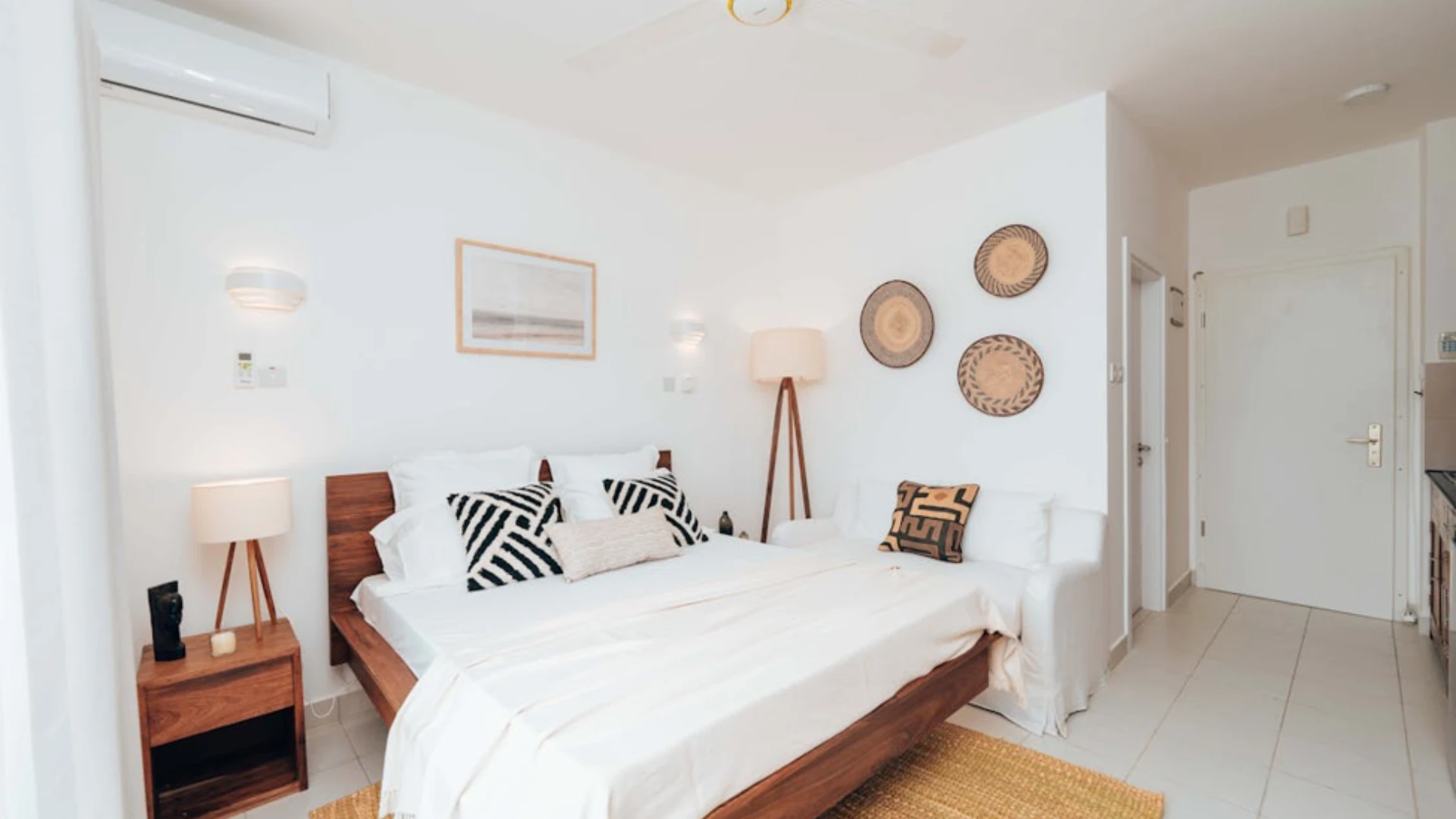
Some homes have a strange superpower. You walk through the front door and immediately feel comfortable, even if you've never been there before. There is no grand reveal, no luxury feature demanding attention, and no obvious reason for the positive reaction. Yet something clicks. The space feels pleasant, easy to be in, and surprisingly familiar. Scientists who study environmental psychology have spent years examining this phenomenon, and their findings suggest that people make remarkably fast judgments about interior spaces based on sensory information their brains process almost automatically.
Temperature, sound, layout, materials, and lighting all send signals that influence mood before a person consciously notices them. Modern homeowners spend a lot of time searching for statement features and design trends, but many of the qualities that make a house feel inviting are far more subtle.
Comfortable Indoor Temperatures
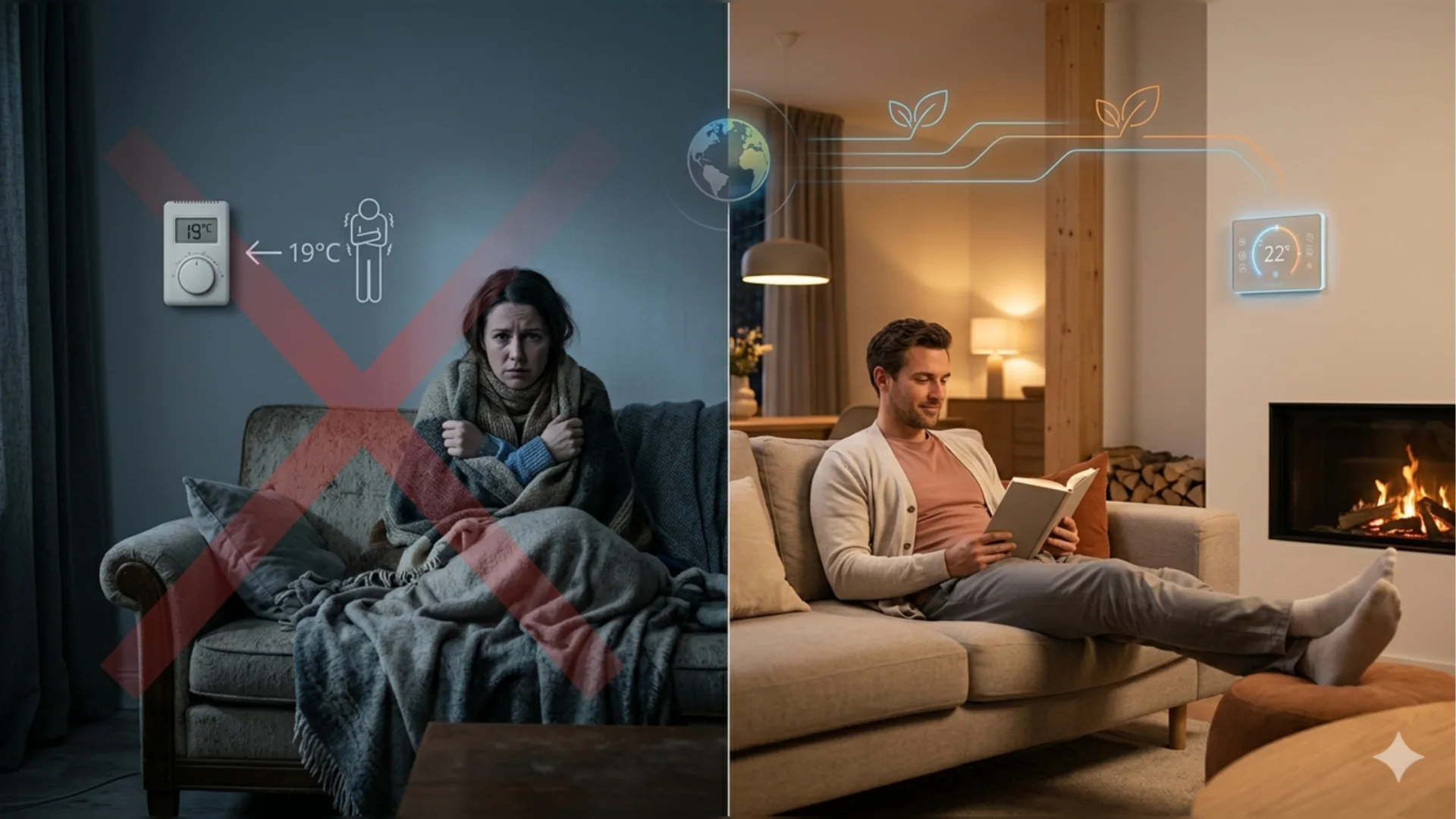
Temperature rarely receives the same attention as paint colors or furniture choices, yet it plays a huge role in creating first impressions. Within seconds of entering a home, people begin assessing whether the environment feels comfortable. A room that feels stuffy, overly warm, or unexpectedly cold can create a sense of discomfort before visitors have even taken a proper look around. The brain naturally pays attention to physical comfort because it is closely connected to feelings of safety and well-being. A pleasant indoor temperature helps people relax almost immediately, allowing them to focus on the space rather than their own discomfort.
Modern homes place increasing emphasis on comfort-driven design, and climate control sits at the center of this. Proper AC installation helps create consistent temperatures throughout a home rather than leaving some rooms cool and others noticeably warmer. Because system performance depends heavily on proper setup, homeowners should hire experienced professionals for this task rather than viewing it as a simple equipment purchase.
Soft Acoustic Environments
Imagine walking into two different living rooms. One produces sharp echoes with every conversation and footstep. The other gently absorbs sound, allowing voices to feel natural and relaxed. Most people will gravitate toward the second environment without fully understanding why. Sound affects emotional responses more than many homeowners realize. Harsh acoustics can create subtle tension, while softer environments encourage people to settle in and stay awhile.
Many of the most welcoming homes achieve this effect through ordinary features rather than specialized design. Rugs, upholstered furniture, curtains, bookshelves, and fabric accents help soften sound and reduce harsh reflections. Modern open-concept layouts sometimes struggle with acoustics because large open spaces allow noise to travel freely. A room that sounds comfortable often feels comfortable.
Subtle Scents
The sense of smell has a direct connection to memory, which helps explain why certain homes feel welcoming almost instantly. A subtle scent can trigger associations that make a space feel familiar even if someone has never visited before. Fresh linens, clean air, mild wood notes, or the aroma of a recently prepared meal often create positive emotional responses because they connect to experiences people already associate with comfort and home.
The keyword is subtle. Many homeowners make the mistake of assuming stronger scents create stronger impressions. In reality, overpowering fragrances often distract from the environment rather than supporting it. The most inviting homes usually smell clean rather than scented. There is a noticeable difference. A fresh environment allows visitors to focus on the space itself while still benefiting from the positive psychological effects that pleasant scents can provide.
Predictable Room Layouts
Upon entering a new space, the brain immediately begins processing information about movement, navigation, and spatial organization. A home with a clear and intuitive layout allows visitors to quickly understand where rooms connect, how spaces function, and where they can comfortably move. That sense of clarity creates a subtle feeling of ease that contributes to the overall welcoming atmosphere.
Modern design trends sometimes celebrate complexity, but highly complicated layouts can occasionally feel disorienting. Welcoming homes often succeed because they reduce mental effort rather than increasing it. Hallways make sense. Furniture placement supports movement. Pathways feel obvious. People do not need to constantly figure out where to go next.
Ceiling Height
Ceiling height has a fascinating effect on how people experience interior spaces. Even without consciously measuring a room, visitors respond to vertical dimensions almost immediately. Higher ceilings often create a feeling of openness because they increase the perception of available space. Rooms feel airy, expansive, and less confined. That reaction occurs partly because humans naturally associate spacious environments with freedom of movement and visual comfort.
The relationship is not entirely about size. Design choices can influence how ceiling height is perceived, regardless of a home's actual dimensions. Strategic lighting, vertical design elements, and thoughtful furniture placement can draw attention upward and create a greater sense of openness. Modern homeowners often focus on square footage, yet perceived space can be just as influential as actual measurements. A room that feels open tends to feel welcoming because people instinctively enjoy environments that provide visual breathing room without feeling overwhelming.
Rounded Shapes and Gentle Lines
Human beings tend to respond differently to curves than they do to sharp angles. Studies examining visual perception have found that rounded forms are often viewed as more approachable and comfortable. Curved shapes feel softer and less aggressive, which may explain why people naturally gravitate toward spaces that incorporate them. The effect is subtle, but it influences how welcoming a room feels.
Modern homes increasingly include rounded furniture, arched doorways, curved mirrors, circular tables, and soft-edged décor. Those features help balance the straight lines that already exist throughout most homes. Walls, windows, cabinets, and structural elements typically introduce plenty of angular shapes. Rounded additions help soften the overall visual experience. The room feels less rigid and more relaxed. Visitors may never consciously identify the reason, yet the space often leaves a friendlier and more inviting impression because of those gentle forms.
Biophilic Design and Positive Emotional Responses
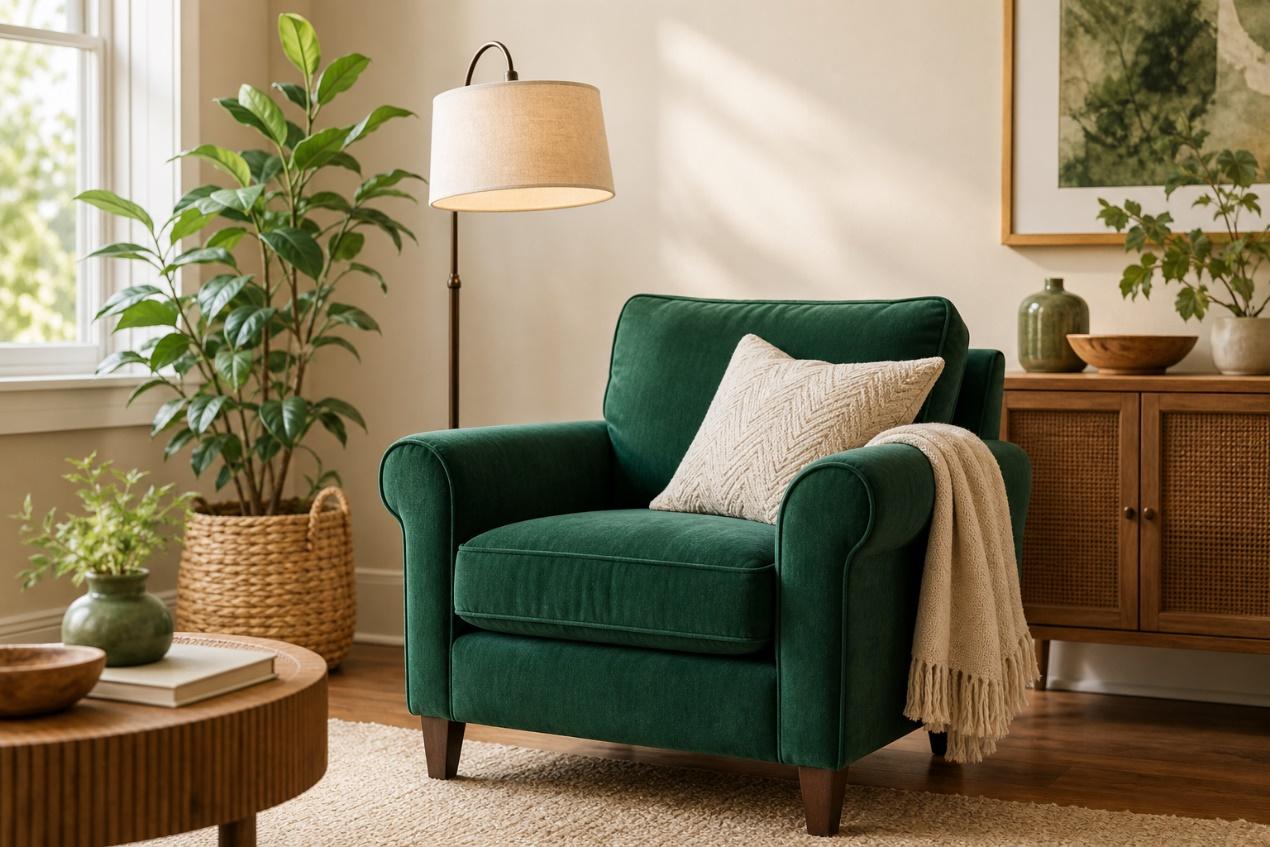
Biophilic design is based on a simple idea: people generally feel good around nature. The concept has gained significant attention in recent years because research continues to show that natural elements can positively influence mood, attention, and overall comfort. Welcoming homes often incorporate aspects of nature, even in subtle ways. Houseplants, natural light, organic materials, and views of outdoor spaces all contribute to this effect.
A single plant in a corner will not completely transform a room, but the cumulative effect of nature-inspired elements can be powerful. Sunlight moving through a room, greenery on a shelf, or materials that mimic natural textures help create an environment that feels connected to the outside world. Modern life often involves screens, artificial lighting, and highly controlled indoor environments. Biophilic design introduces a sense of balance that many people find comforting.
The homes that feel instantly welcoming rarely achieve that effect through one dramatic design choice. Instead, they succeed because numerous subtle factors work together behind the scenes. Understanding the science behind it all reveals that welcoming homes make people feel comfortable and at ease almost immediately after walking through the door.