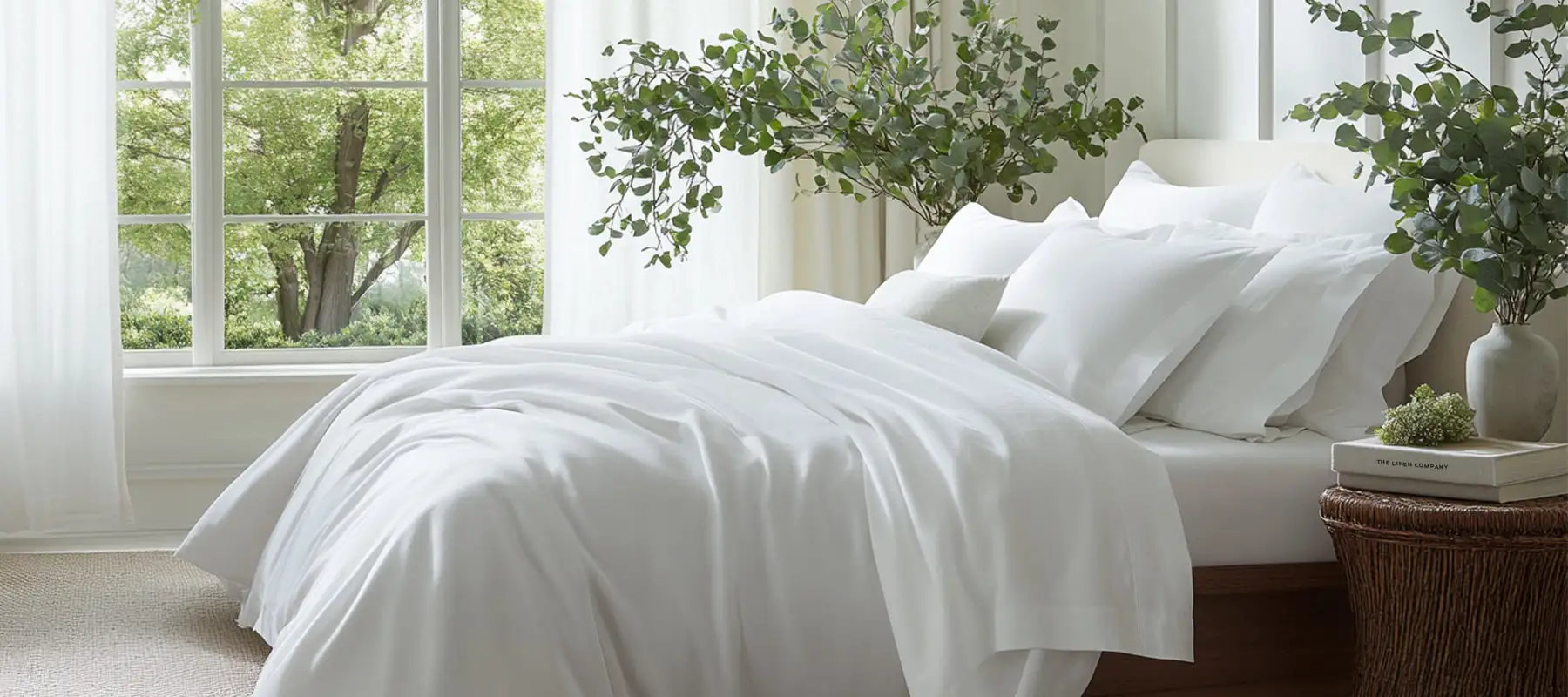
Finding yourself tossing and turning, waking up drenched in sweat, is an incredibly frustrating experience that ruins your sleep quality. For those who run warm or experience night sweats, the secret to a comfortable night lies directly in the materials you choose for your bed. The New Season, a bedding manufacturer's team, is utilizing advanced weaving techniques and highly breathable natural fibers designed specifically to combat unwanted thermal buildup.
Your bedding should actively work to keep your body temperature regulated by promoting maximum airflow and drawing moisture away from your skin. Ignoring fabric properties and opting for standard synthetics or heavy, tightly woven sateen will trap heat, leaving you feeling stiflingly hot. Making an informed switch to temperature-regulating fabrics transforms your mattress into a cool, refreshing oasis. This guide breaks down the best modern materials and weaves, helping you navigate the market to build the ultimate cool sleep setup for uninterrupted, sweat-free rest.
The Superiority of Cotton Percale
Cotton remains a timeless classic for a reason, but the weave makes all the difference for hot sleepers. Percale features a simple one-over, one-under grid pattern that creates a lightweight, highly breathable fabric. This structure allows air to circulate freely, releasing trapped body heat instantly. Furthermore, high-quality percale possesses excellent moisture-wicking properties, ensuring you remain completely dry throughout the night.
Flax Linen for Maximum Airflow
If you want supreme breathability, flax linen is an outstanding powerhouse. Linen features a naturally loose structure and hollow fibers that facilitate unparalleled airflow and exceptional heat release. While it may feel slightly textured at first, it softens beautifully with every single wash. It is exceptionally durable and absorbs moisture brilliantly without clinging to your skin, making it perfect for warm or arid climates.
Bamboo Viscose for Silky Relief
Bamboo-derived fabrics have surged in popularity for their luxuriously smooth texture and cooling capabilities. Viscose or lyocell made from bamboo feels incredibly silky against the skin and actively wicks moisture away. This material excels in humid environments, preventing that sticky, clamy feeling by continuously managing your microclimate while you sleep undisturbed.
Tencel and Eucalyptus Options
Cellulose fibers like Tencel and eucalyptus are renowned for their eco-friendly production and thermal regulation. These sustainable fabrics are incredibly soft, lightweight, and efficient at keeping skin temperature down. Performance blends featuring these materials often utilize advanced cooling technology that stores and releases heat to maintain a perfectly stable, comfortable body temperature.
Final Thoughts
Investing in the right bedding material is an absolute game-changer for anyone struggling with night sweats or general overheating. By prioritizing natural, highly breathable fibers such as cotton percale, flax linen, or bamboo viscose, you actively prevent thermal buildup and enjoy a truly restorative, sweat-free sleep environment.
Remember to pay close attention to the weave of the fabric rather than getting entirely caught up in marketing buzzwords or sheer thread count numbers. Taking the time to select high-quality, moisture-wicking textiles ensures your bed remains a cool, comfortable sanctuary year-round, vastly improving your overall well-being and waking energy.