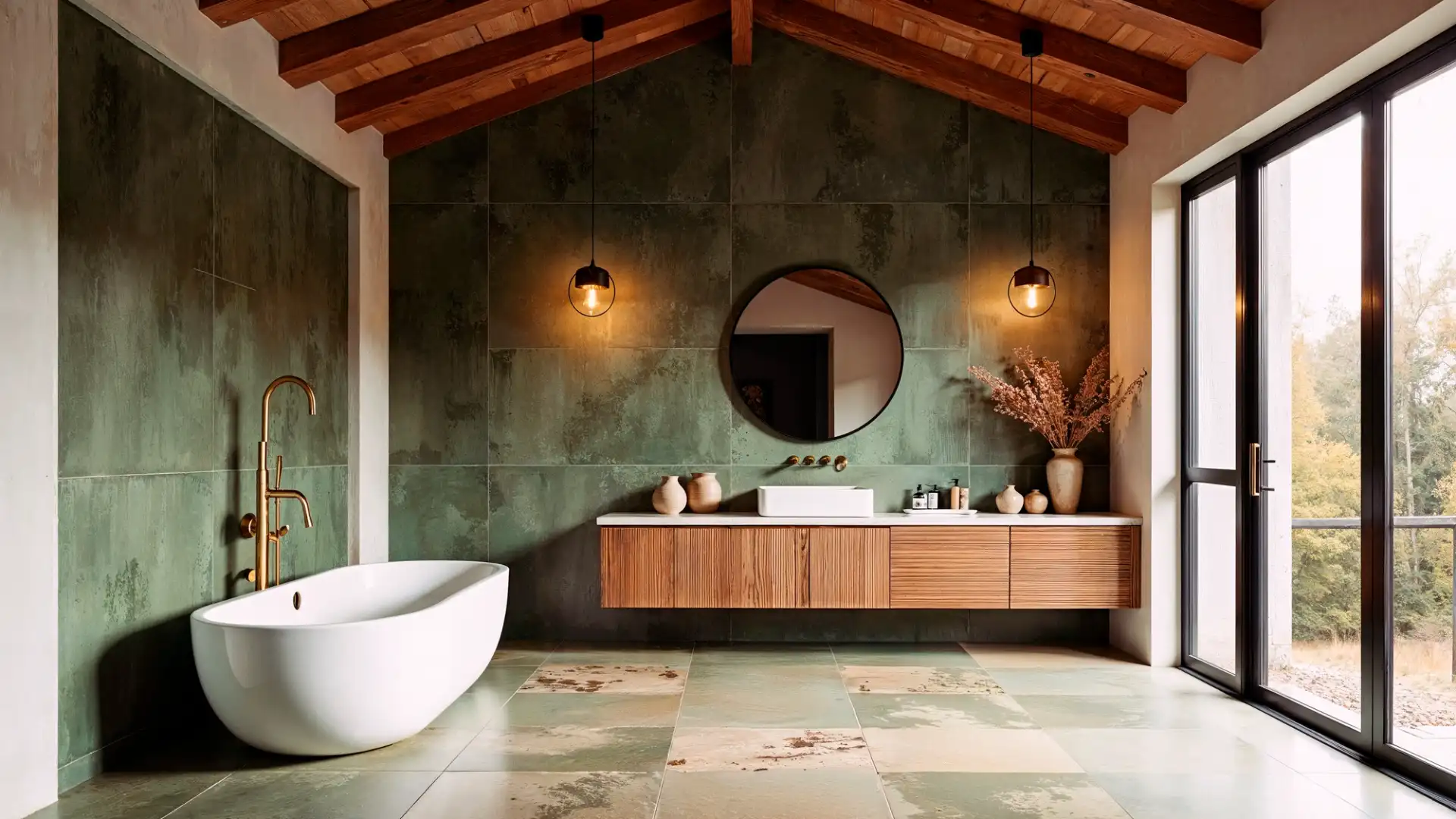
A bathroom renovation is one of the more popular home improvement projects, offering the chance to update a space that often shows wear faster than other rooms in the house. But bathrooms are also among the more complex rooms to renovate, involving plumbing, waterproofing, electrical work and often limited space to work with. Taking time to plan properly before work begins can help the project run more smoothly and avoid costly surprises along the way.
Defining the Scope of the Project
Before any work begins, it helps to have a clear sense of what the renovation actually involves. A full renovation that repositions plumbing and changes the room's layout is a considerably bigger undertaking than a cosmetic update involving new fixtures, tiling or a fresh coat of paint. Being clear about scope from the outset, including whether walls or plumbing locations will move, helps set realistic expectations for both budget and timeline.
Setting a Realistic Budget
Budgeting for a Bathroom Renovations in Auckland project involves more than just the visible finishes like tiles, tapware and fixtures. Costs can also include waterproofing, plumbing and electrical work, and sometimes unexpected repairs uncovered once old fixtures are removed. Building a contingency into the budget, rather than allocating every dollar to planned costs, can help absorb the kinds of surprises that often come up once a renovation is underway.
Working With a Layout That Suits the Space
Bathroom layouts need to balance functionality with the physical constraints of the space available. Moving plumbing to accommodate a new layout is possible, but it generally adds cost and complexity compared to working within the existing plumbing footprint. For smaller bathrooms in particular, thoughtful layout planning can make a significant difference to how spacious and functional the finished room feels, even without increasing the physical size of the room.
Choosing Materials and Finishes
Bathrooms are exposed to constant moisture, which makes material selection particularly important. Tiles, benchtops and fixtures all need to be suited to a wet environment, and some finishes that look appealing in a showroom may not hold up as well in daily use. Considering long-term durability and maintenance alongside aesthetics can help homeowners choose finishes that continue to look good years after the renovation is complete.
Waterproofing and Why It Matters
Proper waterproofing is one of the most critical, though least visible, aspects of any bathroom renovation. Poor waterproofing can lead to serious and costly problems down the line, including water damage to surrounding structures. Homeowners are generally encouraged to ensure waterproofing work is carried out to the appropriate standard, since cutting corners in this area can create issues that are far more expensive to fix than they would have been to do properly the first time.
Storage and Practical Considerations
Storage is often an underappreciated element of bathroom design until a renovation is complete and the lack of it becomes apparent in daily use. Thinking through storage needs during the planning stage, whether through built-in cabinetry, recessed shelving or a well-designed vanity, can help avoid clutter and make the finished bathroom feel more functional day to day.
Timelines and Managing Disruption
Bathroom renovations can disrupt daily routines, particularly in homes with only one bathroom. Having a realistic sense of the project timeline, and planning around it where possible, such as arranging alternative bathroom access during the renovation, can make the process considerably less stressful for the household. Delays can occur for various reasons, so building some flexibility into expectations around timing is generally a sensible approach.
Working With Experienced Professionals
Given the technical aspects involved in a bathroom renovation, from plumbing and waterproofing to tiling and electrical work, working with experienced professionals can make a significant difference to the outcome. A team such as Refit Renovations, familiar with bathroom renovations specifically and serving areas including Bathroom Renovations in West Auckland, may be better positioned to anticipate common issues and deliver a finished result that performs well over the long term.
Renovating on a Budget Versus a Full Renovation
Not every bathroom needs a complete overhaul to feel refreshed. Smaller updates, such as replacing tapware, re-grouting tiles or updating lighting, can sometimes achieve a meaningful improvement without the cost and disruption of a full renovation. Homeowners searching for Cheap Bathroom Renovations in Auckland may find that a partial refresh delivers much of the visual impact of a full renovation at a fraction of the cost. Understanding the difference between a cosmetic refresh and a full renovation can help homeowners choose an approach that matches both their budget and their goals for the space.
Ventilation and Preventing Long-Term Issues
Good ventilation is another element that can be easy to overlook during the excitement of choosing tiles and fixtures, but it plays an important role in preventing mould and moisture-related problems after the renovation is complete. Extractor fans, window placement and general airflow all contribute to how well a bathroom manages moisture over time, and addressing this during the planning stage is generally more effective than trying to solve ventilation issues after the renovation is finished.
Lighting Choices That Affect Everyday Use
Lighting in a bathroom often needs to serve several different purposes, from bright task lighting around a vanity to softer ambient lighting for the rest of the space. Layering different light sources, rather than relying on a single central fixture, can make a noticeable difference to how the finished bathroom feels and functions, particularly during tasks like shaving or applying makeup where accurate lighting matters.
Getting Started
A well-planned bathroom renovation can significantly improve both the function and value of a home, but the planning stage plays a major role in how smoothly the project unfolds. Taking time to think through scope, budget, layout and materials before work begins tends to lead to a better outcome than making these decisions on the fly once the renovation is already underway.
Disclaimer: This article is provided for general informational purposes only and does not constitute professional building, design or regulatory advice. Every property and renovation project is different, and requirements may vary depending on the location, building and proposed work. Consider consulting an appropriately qualified professional before making significant renovation or construction decisions.