Arizona has quietly built one of the most active secondhand jewelry markets in the country, drawing buyers, sellers, and dealers from across the region to a state that once flew under the radar for this kind of trade.
The Desert State's Unique Economic Conditions
Arizona's population has grown steadily over the past decade, and that growth has brought a diverse mix of residents with it. Retirees relocating from the Midwest and West Coast often arrive with estate jewelry accumulated over a lifetime. Younger transplants moving for tech and healthcare jobs bring different tastes and a strong appetite for pre-owned goods. Two groups, opposite ends of the buying and selling spectrum, creating a natural marketplace.
The cost of living in many Arizona cities, while rising, remains lower than in coastal metros. That dynamic gives residents more disposable income to spend on luxury accessories, and it makes the price points in the resale market feel accessible rather than intimidating. A piece that might sit unsold in a San Francisco estate sale finds a ready buyer in Scottsdale or Chandler.
Phoenix and Scottsdale as Regional Trading Hubs
The greater Phoenix metro area functions as a distribution center for the entire Southwest jewelry resale market. Dealers from Nevada, New Mexico, and even Southern California make regular trips to buy inventory here. Scottsdale in particular has developed a concentration of estate jewelers, consignment boutiques, and auction houses that gives the area a critical mass rarely seen outside of New York or Los Angeles.
The Role of Seasonal Residents
Arizona's snowbird population deserves real credit for the market's depth. Residents who split their time between Arizona and northern states often downsize their jewelry collections during their winter stays, and estate sales and consignment shops see predictable surges between November and March. The seasonal rhythm creates reliable inventory cycles that dealers have learned to plan around. It's almost clockwork at this point.
Scottsdale's Auction Culture
Scottsdale has developed a genuine auction culture around fine goods, including jewelry. Several established auction houses run regular catalog sales featuring estate pieces, vintage watches, and signed designer jewelry. These events attract serious collectors and create transparent price discovery that benefits both buyers and sellers across the region.
The Importance of Established Jewelry Buyers and Sellers
Arizona's thriving resale market is supported by a large network of established jewelry buyers, estate jewelers, consignment specialists, and independent dealers. While online marketplaces have expanded access to buyers nationwide, many consumers still prefer working with experienced local professionals when selling valuable jewelry.
Established jewelry buyers provide appraisals, authentication services, and market expertise that help sellers better understand the value of their pieces. In cities such as Phoenix, Scottsdale, Tucson, and Chandler, long-standing jewelry businesses have built reputations based on trust, transparency, and industry knowledge, making them an important part of the state's resale ecosystem.
These businesses also play a critical role in maintaining inventory flow and buyer confidence. Reputable dealers regularly source pieces from estate sales, private collections, auctions, and consignments, creating a diverse selection that appeals to both casual shoppers and serious collectors.
What Sellers Are Bringing to Market
The inventory flowing through Arizona's resale channels reflects the state's demographic mix. Estate pieces from the mid-twentieth century appear frequently, including cocktail rings, charm bracelets, and yellow gold sets that were popular in the postwar decades. Signed pieces from recognizable American and European designers surface regularly, often brought in by families liquidating inherited collections.
A few categories show up with particular consistency:
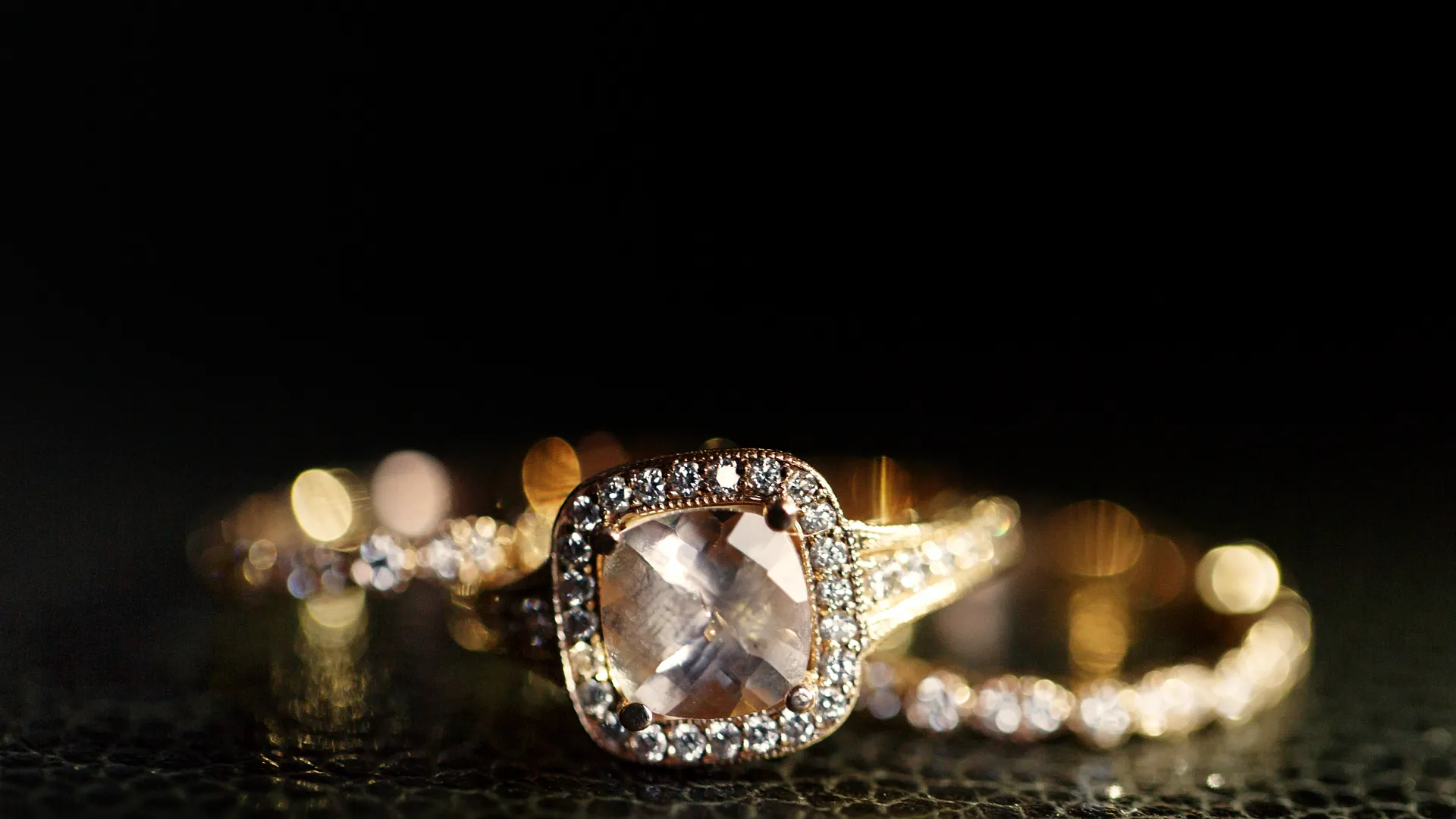
- •Vintage and antique diamond engagement rings, often from estates
- •Turquoise and silver jewelry with Southwestern origins, both authentic Native American work and regional commercial pieces
- •Designer watches from brands with strong collector followings
- •Gold chains and bracelets sold for melt value by sellers focused on quick liquidity
- •Signed costume jewelry from the mid-century period, which has seen growing collector interest
This variety keeps the market interesting for buyers at every price point, from casual thrift shoppers to serious collectors chasing specific makers.
Online Resale Rooted in Arizona
Arizona-based resellers have become notable players in the national online jewelry market. The combination of strong local sourcing and lower overhead costs compared to coastal cities makes Arizona an attractive base for dealers who sell primarily through online platforms and marketplaces.
Several resellers operating out of the Phoenix and Tucson areas have built substantial followings by specializing in specific niches, such as Art Deco pieces, Victorian mourning jewelry, or mid-century modernist designs. Specialization lets them develop deep expertise and command stronger prices than generalist dealers. Buyers searching for particular styles often find that Arizona-based sellers maintain unusually well-curated inventory.
The logistics infrastructure around Phoenix helps, too. Shipping times to both coasts are reasonable, and the dry desert climate reduces concerns about humidity damage during storage and transit. For dealers holding significant inventory, those environmental factors matter more than they might seem.
Turquoise and the Southwest Advantage
No discussion of Arizona's jewelry resale market is complete without addressing turquoise. The state has a long history of turquoise mining, and pieces featuring Arizona-sourced stones carry genuine regional significance. Authentic Navajo, Hopi, and Zuni jewelry commands serious prices among collectors, and Arizona is one of the best places in the country to find legitimate examples.
This creates both opportunity and responsibility for buyers. The market includes a wide range of quality, from investment-grade pieces made by recognized artists to tourist-market reproductions. Buyers who take the time to learn the differences, or who work with knowledgeable dealers, find that Arizona offers access to authentic Southwest jewelry that is genuinely difficult to source elsewhere. That expertise requirement has also helped build a culture of connoisseurship in the local market that raises the overall trading environment.
Tax and Regulatory Environment
Arizona's tax structure adds a practical dimension to its appeal as a resale hub. The state's approach to transaction taxes on secondhand goods is relatively straightforward, and the regulatory environment for dealers is manageable compared to some other states. Dealers operating across state lines appreciate the predictability.
Estate sales operate under clear guidelines, and the consignment industry functions with enough established practice that both buyers and sellers generally understand what to expect. This clarity reduces friction in transactions and encourages more people to participate in the market, whether they are selling a grandmother's ring or building a serious collection.
Conclusion
Arizona's jewelry resale market shows no signs of slowing. Continued population growth, a maturing estate sale infrastructure, and the state's natural advantages in Southwest and turquoise categories position it well for the years ahead. Buyers looking for access to diverse inventory at competitive prices have strong reasons to pay attention to what is happening in the desert Southwest. The market has moved well past regional curiosity. It now has genuine national relevance.