Arizona summers have always demanded respect. But the relationship between desert residents and their homes has shifted from passive endurance to deliberate design, and the remodeling choices homeowners make today reflect a clear-eyed understanding of what the climate actually requires.
The Heat Is Getting Harder to Ignore
The numbers behind Arizona's warming trend are striking. In 2023, Phoenix broke records with 54 days above 110°F, and Maricopa County is projected to experience 100 days of extreme heat annually within 30 years, a 69% increase from the historic average of 59 days.
For homeowners, that trajectory changes the math on renovation priorities. A kitchen refresh or a new coat of exterior paint still matters, but those projects now sit alongside decisions about insulation, window glazing, roofing materials, and HVAC capacity. The home is no longer just a living space. It's a thermal barrier, and keeping that barrier strong has become a genuine quality-of-life issue.
Why Older Homes Are Particularly Vulnerable
Much of the housing stock in the Phoenix metro was built during eras when summer temperatures, while hot, were not what they are today. Many homes in central Phoenix were constructed several decades ago and no longer meet the needs of modern families, with closed-off layouts, dated finishes, and inefficient systems pushing owners to update and modernize. That inefficiency isn't just aesthetic. Single-pane windows, under-insulated attics, and aging HVAC units sized for a cooler baseline are now genuine liabilities.
The Financial Case for Acting Now
Homeowners are remodeling to install energy-efficient windows, appliances, and insulation, and these upgrades lower monthly utility bills while potentially qualifying for local rebates or federal tax credits. The return on that investment compounds fast when summer electricity bills run high for five or six months of the year. With today's higher mortgage rates, many homeowners are choosing to stay put and remodel rather than buy something new, making it a cost-effective way to get the space they want without taking on a larger loan.
What Heat-Adaptive Remodeling Actually Looks Like
The most effective desert remodels share a common thread: they treat the building envelope as seriously as the interior finishes. Roof, walls, windows, and mechanical systems come first. Countertop materials and cabinet hardware come later.
Roofing and Insulation
Heat-reflective roofing has moved from a niche upgrade to a mainstream consideration in Arizona. Projects are being adapted to build resilience against extreme weather, featuring advanced insulation, heat-reflective roofing, and drought-tolerant landscaping. Cool-roof coatings and tile profiles that allow airflow underneath can cut attic temperatures significantly, which reduces the load on air conditioning systems. Spray foam insulation in attic spaces is another upgrade that delivers immediate, measurable results in a desert climate.
Windows and Glazing
Single-pane windows are among the most common weak points in older Arizona homes. Dual-pane, low-emissivity glass reduces radiant heat transfer, keeping interior surfaces cooler without blocking natural light. Many homes are incorporating smart shading solutions and solar-integrated windows to control heat while keeping spaces bright and open. Exterior treatments, including motorized screens and deep overhangs, add another layer of protection that works alongside upgraded glazing.
HVAC Sizing and Smart Thermostats
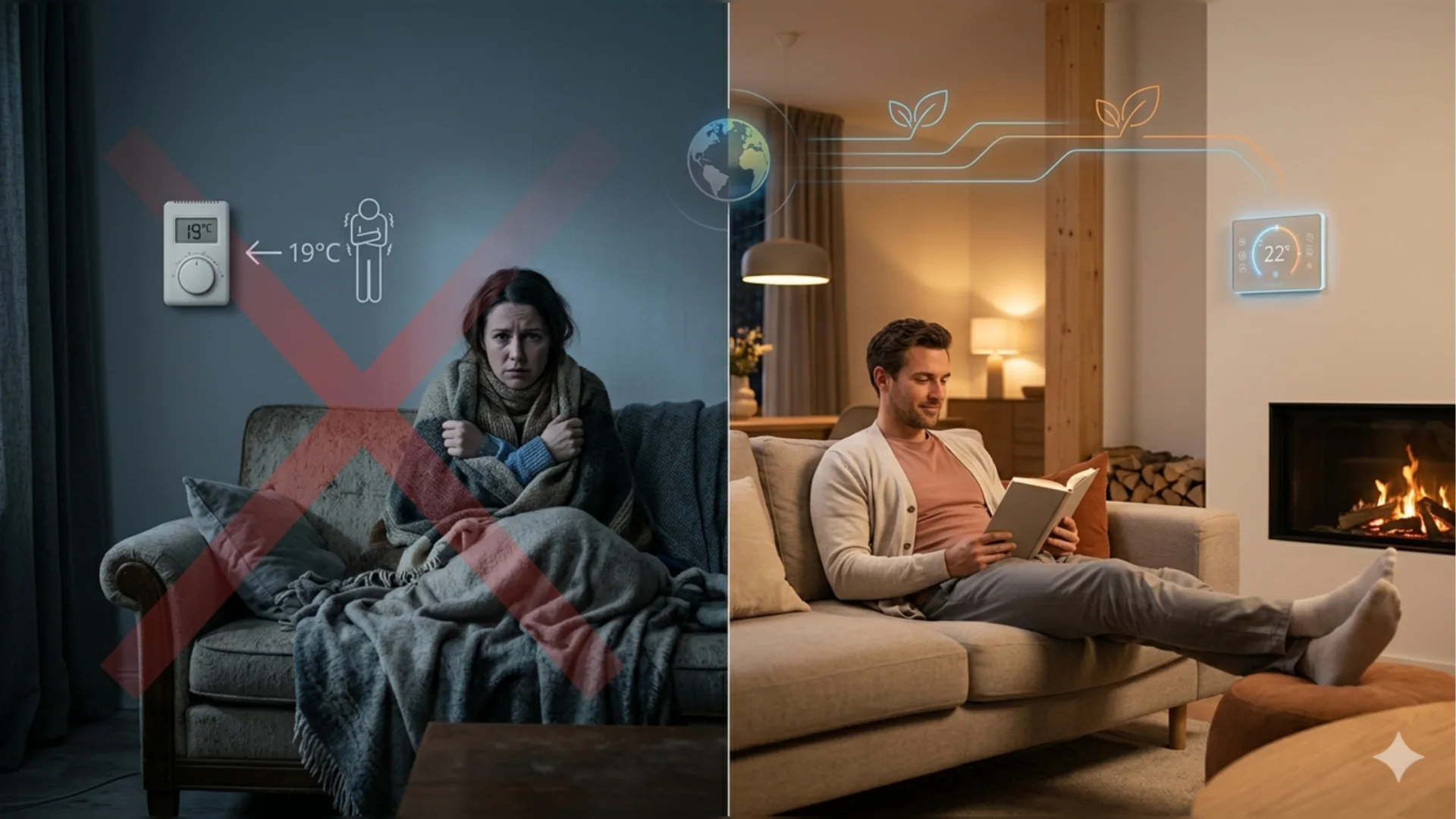
An undersized or aging air conditioning system is one of the most consequential problems a desert homeowner can face. Smart home technology remains at the top of remodeling trends, with Phoenix homeowners looking to integrate thermostats, lighting, and advanced systems that boost convenience and efficiency. Smart thermostats that learn usage patterns and pre-cool a home during off-peak electricity hours can meaningfully cut both energy costs and peak-hour strain on the grid. Paired with a properly sized HVAC unit, they represent one of the highest-value upgrades available to Arizona homeowners.
Interior Design That Works With the Desert
Adapting to heat isn't purely a mechanical exercise. Interior design choices play a real role in how comfortable a home feels during a Phoenix summer.
Arizona buyers gravitate toward continuous, durable materials like luxury vinyl plank, tile, or refinished hardwood that handle heat and dust. Tile flooring, long a staple of Southwestern interiors, stays popular precisely because it remains cool underfoot and holds up against the temperature swings between air-conditioned rooms and sun-baked exteriors. Bold, earthy color palettes are showing up throughout Arizona homes, drawing inspiration from the surrounding landscape, with rich terracottas, deep greens, and warm browns paired with artisan finishes like handcrafted tiles and bespoke cabinetry.
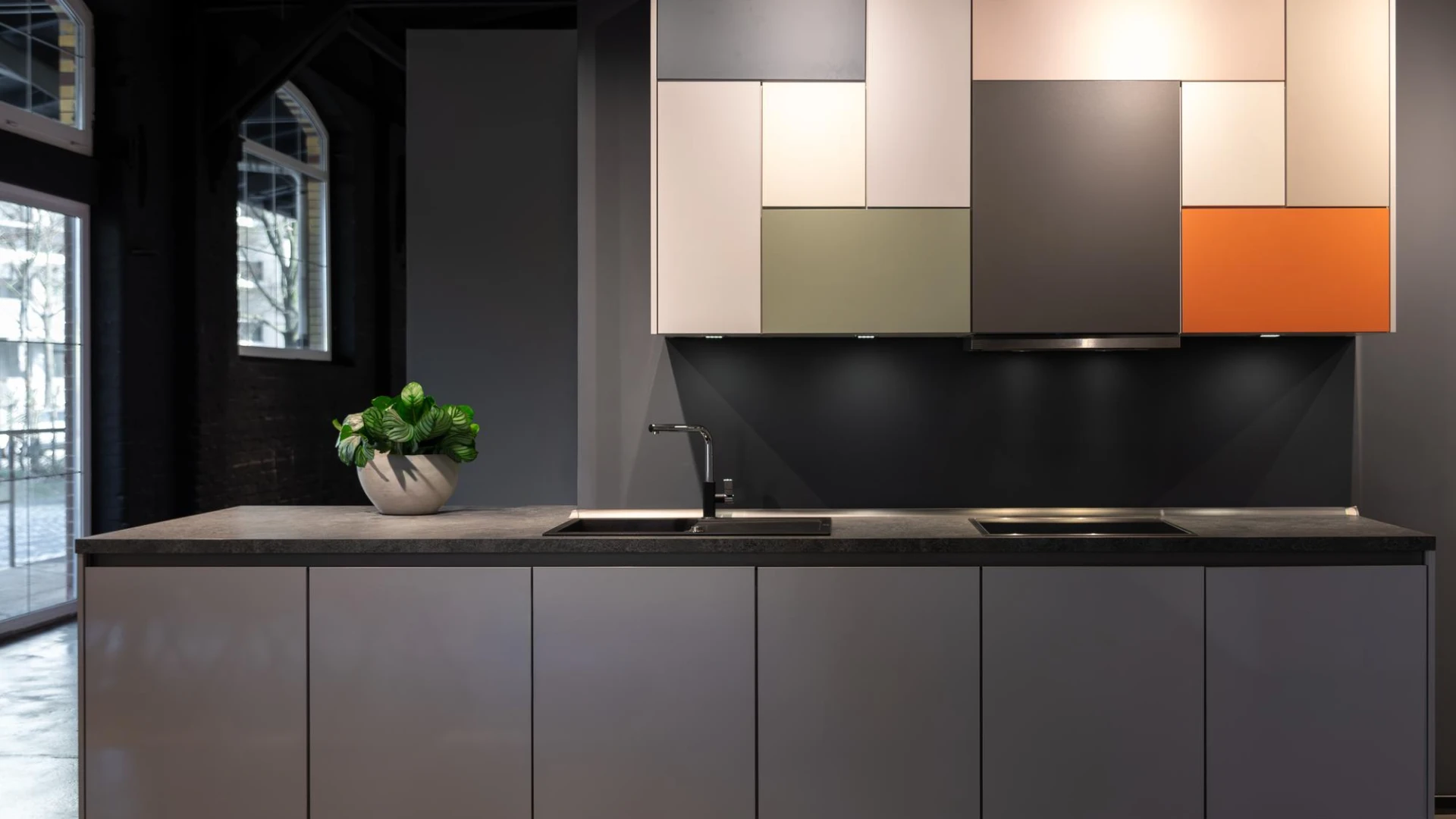
Kitchens in particular are being rethought for the climate. Smart ventilation systems designed to maintain cooler cooking environments are trending, especially in homes without extensive air conditioning coverage in those areas. Range hoods with higher CFM ratings, cross-ventilation strategies, and lighter cabinet finishes that reflect rather than absorb heat all make a meaningful difference in rooms that generate their own heat load.
Outdoor Living Designed for Desert Reality
One of the more interesting tensions in Arizona remodeling is the outdoor living trend. Despite the heat, demand for functional outdoor spaces remains strong. But the approach has matured considerably.
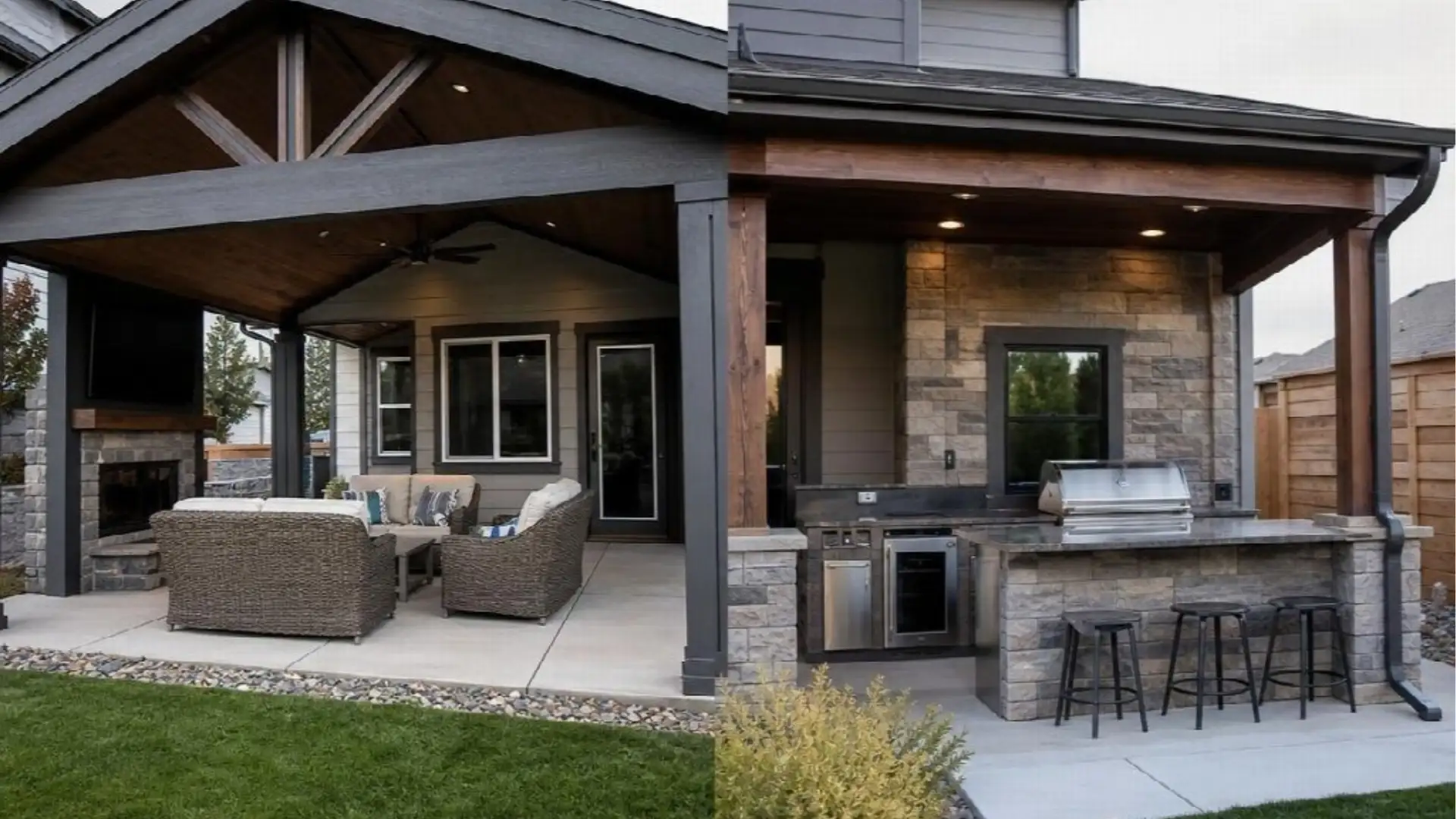
The most effective outdoor remodels in Arizona are built around shade and airflow first, aesthetics second. Deep covered patios with insulated roof panels, motorized sun screens, and strategically placed misting systems extend usable outdoor hours well into summer. Covered patios, built-in grills, fire pits, and desert-friendly landscaping help homeowners expand their usable living space, and with year-round sunshine, outdoor remodels are a major priority.
Landscaping choices also affect how a home performs thermally. Replacing water-hungry grass with gravel, decomposed granite, and native plantings cuts irrigation costs, but it also reduces the heat island effect immediately around the structure. Low-water landscaping, durable exteriors, and energy savings are major selling points in Arizona, and buyers increasingly recognize the difference between a yard that looks good in photos and one that actually moderates the microclimate around the home.
Sustainable Materials and Long-Term Thinking
The materials conversation in Arizona remodeling has shifted toward durability and thermal performance. Sustainability is a top priority for both kitchen and bathroom renovation projects across the state, with homeowners leaning toward eco-conscious choices that are stylish and built to last, including reclaimed wood, recycled glass countertops, and bamboo cabinetry.
Quartz countertops remain dominant in kitchens and bathrooms, valued for low maintenance and resistance to warping in high-heat environments. Exterior cladding has evolved too, with fiber cement and stucco systems preferred over wood-based products that crack and degrade under prolonged UV exposure.
The urgency behind these choices is reinforced by public health data. More than 4,320 people died from exposure to excessive heat in Arizona between 2013 and 2024. That toll is a reminder that a well-insulated, efficiently cooled home is not a luxury upgrade. For many residents, particularly older adults and those with underlying health conditions, it's a safety measure. Full stop.
Where Desert Remodeling Is Headed
The homes being built and renovated in Arizona today are being shaped by a clearer understanding of what the next few decades will demand. Energy efficiency, thermal resilience, and water conservation are no longer secondary considerations that get addressed if the budget allows. They are the starting point.
Homeowners who approach remodeling with that framework, prioritizing the building envelope and mechanical systems before surface finishes, will end up with homes that perform better, cost less to run, and hold their value in a market where buyers are increasingly asking the right questions about how a house handles the heat.