Good airflow is one of the easiest ways to tell whether your home’s HVAC system is working as it should. When certain rooms feel warmer or cooler than others, vents seem weak, or your system runs longer than usual, poor air circulation may be part of the problem. In some cases, something as straightforward as duct cleaning for better airflow can help address airflow restrictions. Before calling an HVAC professional, however, there are several simple things homeowners can check themselves.
Start by Checking the Air Filters
Your HVAC filter plays an important role in maintaining healthy airflow. It catches dust, pet hair, pollen, and other particles before they enter the system. Over time, a clogged filter can make it harder for air to move through the equipment.
Check the filter regularly, especially during periods when your heating or cooling system is running frequently. If it looks visibly dirty or clogged, replace it with the correct size and type recommended for your system.
A clean filter does more than support airflow. It can also help prevent unnecessary strain on the blower and other HVAC components.
Make Sure Vents Are Open and Unblocked
It may sound obvious, but closed or obstructed vents are a common reason for uneven airflow. Walk through your home and check that supply vents are fully open.
Furniture, curtains, rugs, boxes, and other household items can accidentally block vents and restrict the amount of conditioned air entering a room. Rearranging furniture so air can move freely may make a noticeable difference.
Also check return air vents. These openings pull air back into the HVAC system, so they need sufficient space around them to work properly.
Look for Uneven Temperatures
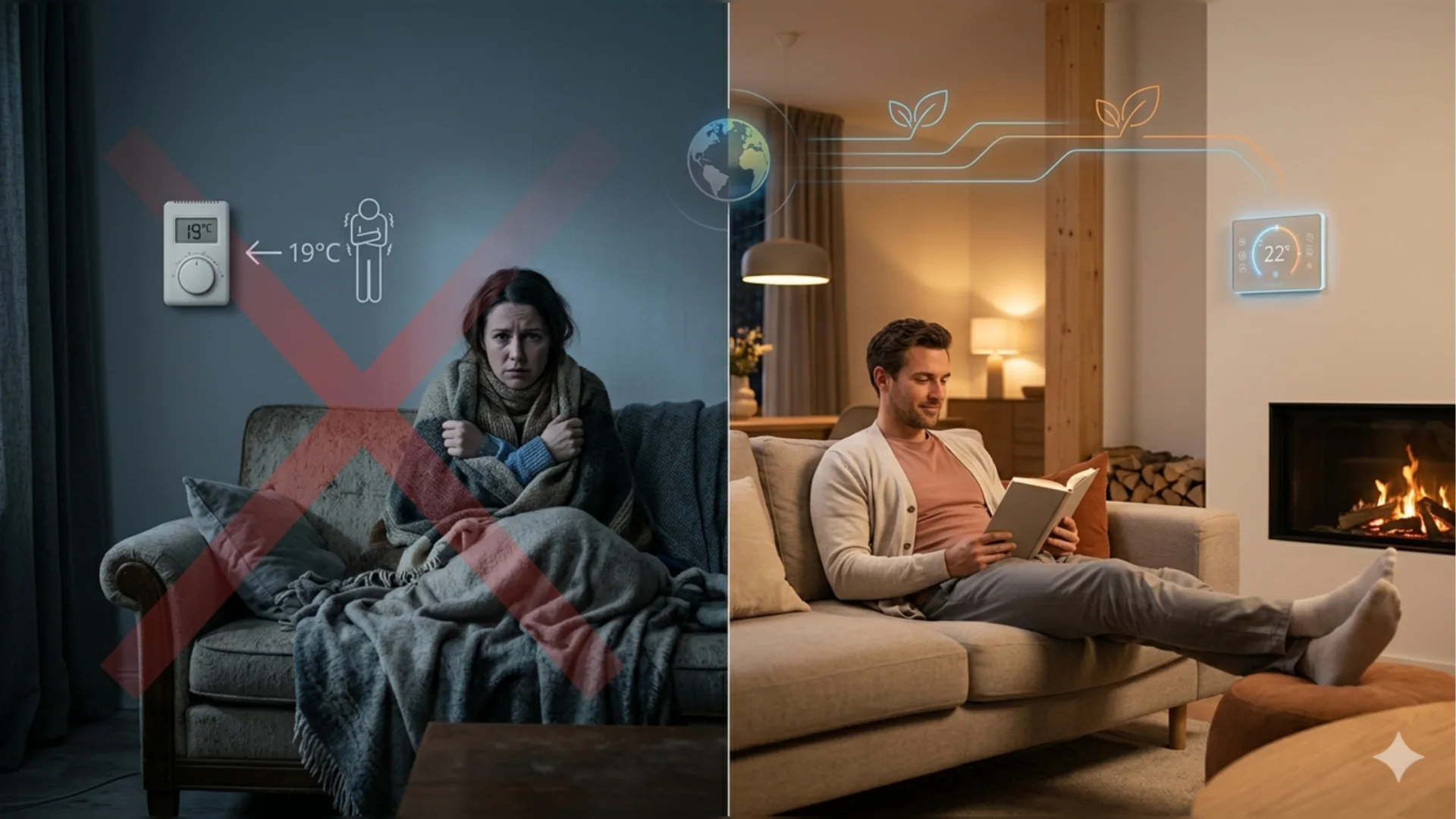
Pay attention to which rooms are experiencing airflow problems. If one bedroom is consistently warmer than the rest of the house, while another room feels unusually cold, there may be an issue with how air is being distributed.
Uneven temperatures can have several possible causes. The ductwork may not be distributing air evenly, a damper could be improperly positioned, or certain ducts may have leaks or restrictions.
Keep track of when and where you notice the problem. This information can be useful if you eventually need an HVAC technician to inspect the system.
Inspect Accessible Ductwork
If you have exposed ductwork in an attic, basement, garage, or utility area, take a quick visual look at it. You do not need to dismantle anything. Instead, look for obvious signs of trouble, such as disconnected sections, crushed ducts, loose connections, or visible damage.
Flexible ductwork can sometimes become compressed or bent, limiting the amount of air that can travel through it. Damaged or poorly connected ducts may also allow conditioned air to escape before it reaches the intended room.
Because duct systems can be difficult to access safely, avoid attempting complicated repairs yourself. A professional can determine whether the ductwork needs sealing, repair, replacement, or further inspection.
Listen for Unusual HVAC Noises
Your ears can sometimes provide useful clues about an airflow problem. Pay attention to sudden changes in the sounds coming from your HVAC system.
Whistling around vents or registers may indicate restricted airflow. Rattling could point to a loose component, while unusual banging or grinding sounds may suggest a mechanical problem.
Not every noise is related to airflow, but a noticeable change from the system's normal operating sound is worth investigating. Turning the system off and arranging a professional inspection may be the safest approach when the noise is severe or unfamiliar.
Check the Outdoor Unit
For homes with central air conditioning, the outdoor condenser needs adequate space to operate efficiently. Leaves, grass, branches, and other debris can collect around the unit and interfere with airflow.
Keep the area around the condenser reasonably clear. Avoid placing objects directly against the unit or covering it while it is operating.
If the outdoor coil appears heavily dirty, resist the temptation to perform an aggressive cleaning without knowing the proper procedure. HVAC components can be delicate, and improper cleaning may cause damage.
Consider the Condition of Your Ductwork
Ducts are responsible for carrying conditioned air throughout your home. Over the years, dust and debris can accumulate inside them, while leaks, gaps, and poorly connected sections can affect how efficiently air travels.
If you have never had your ductwork inspected or cleaned, or if you notice persistent airflow problems despite changing filters and clearing vents, professional evaluation may be worthwhile.
A qualified technician can inspect the duct system and determine whether cleaning is actually necessary. This is important because not every airflow problem is caused by dirty ducts. Identifying the underlying issue first can prevent homeowners from paying for a service that does not address the real problem.
Pay Attention to Your Energy Bills
An unexpected increase in heating or cooling costs can sometimes accompany airflow issues. When air is restricted, the HVAC system may have to operate longer to reach the desired indoor temperature.
Of course, energy bills can change for many reasons, including weather, thermostat settings, insulation, and electricity rates. However, if higher energy use appears alongside weak airflow or uneven temperatures, it is worth having the system evaluated.
Comparing current usage with previous seasons can help you spot unusual changes.
Know When to Call an HVAC Professional
Simple checks can solve some airflow problems, but homeowners should know when professional help is needed. Persistent weak airflow, unusual noises, frequent cycling, poor temperature control, or a system that struggles to maintain the thermostat setting may indicate a more significant issue.
HVAC technicians have the equipment and experience to inspect components that are difficult or unsafe for homeowners to access. They can evaluate the blower, ductwork, dampers, coils, and other parts of the system to determine what is affecting performance.
Trying to repair complex HVAC components without the proper knowledge can create additional problems or pose safety risks. When the cause is unclear, professional troubleshooting is usually the better choice.
Conclusion
Good airflow depends on several parts of your home working together. Clean filters, unobstructed vents, properly maintained equipment, and well-functioning ductwork all contribute to effective air distribution.
The key is to pay attention to changes rather than ignoring them. A room that suddenly feels warmer, a vent that becomes noticeably weaker, or an HVAC system that runs longer than normal can all be useful warning signs.
By checking the simple things first and arranging professional service when necessary, homeowners can better understand their HVAC systems and address airflow concerns before they become more disruptive. Regular attention to airflow can also make it easier to recognize when something is not operating normally.