Introduction
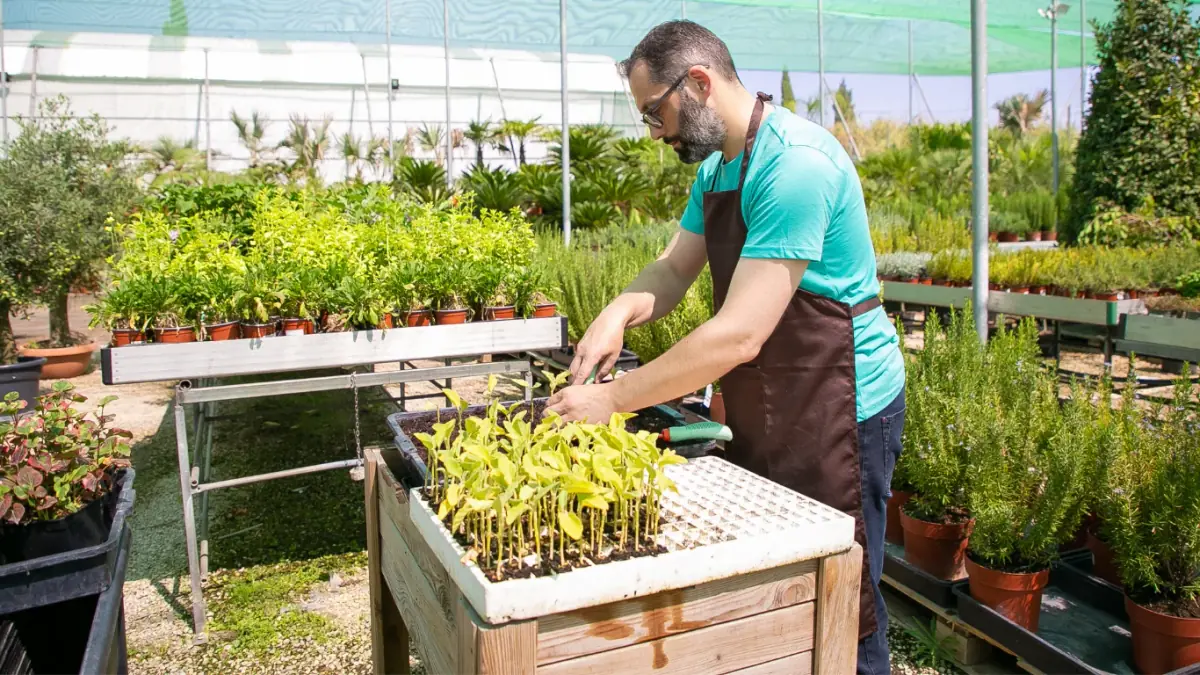
Raised garden beds are an excellent way to grow plants in a controlled, accessible space. They offer many advantages, including better drainage, easier access for gardening, and improved soil quality. Building your own raised garden bed is not only a cost-effective solution but also a rewarding project that can be completed in just a few simple steps.
For more useful guides, explore our Cleaning section.
Why Choose a Raised Garden Bed?
Before starting your project, it's important to understand the benefits. Raised beds offer control over your growing environment that traditional in-ground gardening simply cannot match.
- •Improved soil quality: You control the exact mix of high-quality soil and nutrients.
- •Better drainage: Water drains more effectively, preventing root rot.
- •Ease of access: Higher beds reduce bending and kneeling, making gardening more comfortable.
Select the Right Location
Sunlight and protection are key. Choose a spot that receives 6-8 hours of direct sunlight daily and ensure the ground is level for even water distribution.
Choose the Best Materials
Selecting durable materials is essential for a long-lasting bed:
- •Wood: Cedar and redwood are naturally rot-resistant and beautiful.
- •Metal: Galvanized steel offers a modern, industrial look and extreme durability.
- •Recycled: Bricks or concrete blocks are sturdy, sustainable, and budget-friendly.
Determine the Size
A standard size is 4 feet by 8 feet. The 4-foot width allows you to reach the center from either side without stepping on and compacting the soil. Aim for a depth of 6-12 inches, or up to 24 inches for deep-rooted plants like tomatoes.
Build the Frame
This is the core structure. Cut your materials to size and assemble them using heavy-duty exterior screws. For larger wooden beds, adding corner posts or internal cross-braces can prevent the sides from bowing outward over time.
Add a Weed Barrier
To prevent grass from growing up into your new soil, line the bottom with heavy-duty landscape fabric, thick cardboard (remove tape first), or several layers of newspaper.
Fill with Soil and Plant
Fill your bed with a mix of topsoil and organic compost. When planting, group species with similar water and light needs together to maximize your harvest.
FAQs
Q1: How deep should a raised garden bed be?
At least 6-12 inches for most herbs and greens. For deep-rooted vegetables like carrots or tomatoes, 18-24 inches is ideal.
Q2: What type of wood is best?
Cedar and redwood are the gold standard for rot resistance. If using pressure-treated wood, ensure it is rated for ground contact and safe for food crops.
Q3: How much soil do I need?
For a standard 4x8-foot bed at 12 inches deep, you will need approximately 1 cubic yard (or 27 cubic feet) of soil.
Conclusion
Building a raised garden bed is a rewarding project that transforms your outdoor space into a productive sanctuary. With the right materials and a little effort, you can enjoy a bountiful harvest and a beautiful garden for years to come.