Home repairs are expected, but the cost often arrives before a household is financially ready. A roof leak, failed water heater, or plumbing issue can appear during a month already filled with bills. When that happens, homeowners often need to act quickly while still protecting the rest of their budget.
The pressure can build quickly because some repairs can’t be ignored for long. A small ripple today might become a flood later if neglected for long enough. So it’s common for people fixing homes to weigh cost against chaos and long-term budget implications in their repair planning.
Many Home Repairs Cost More Than Planned
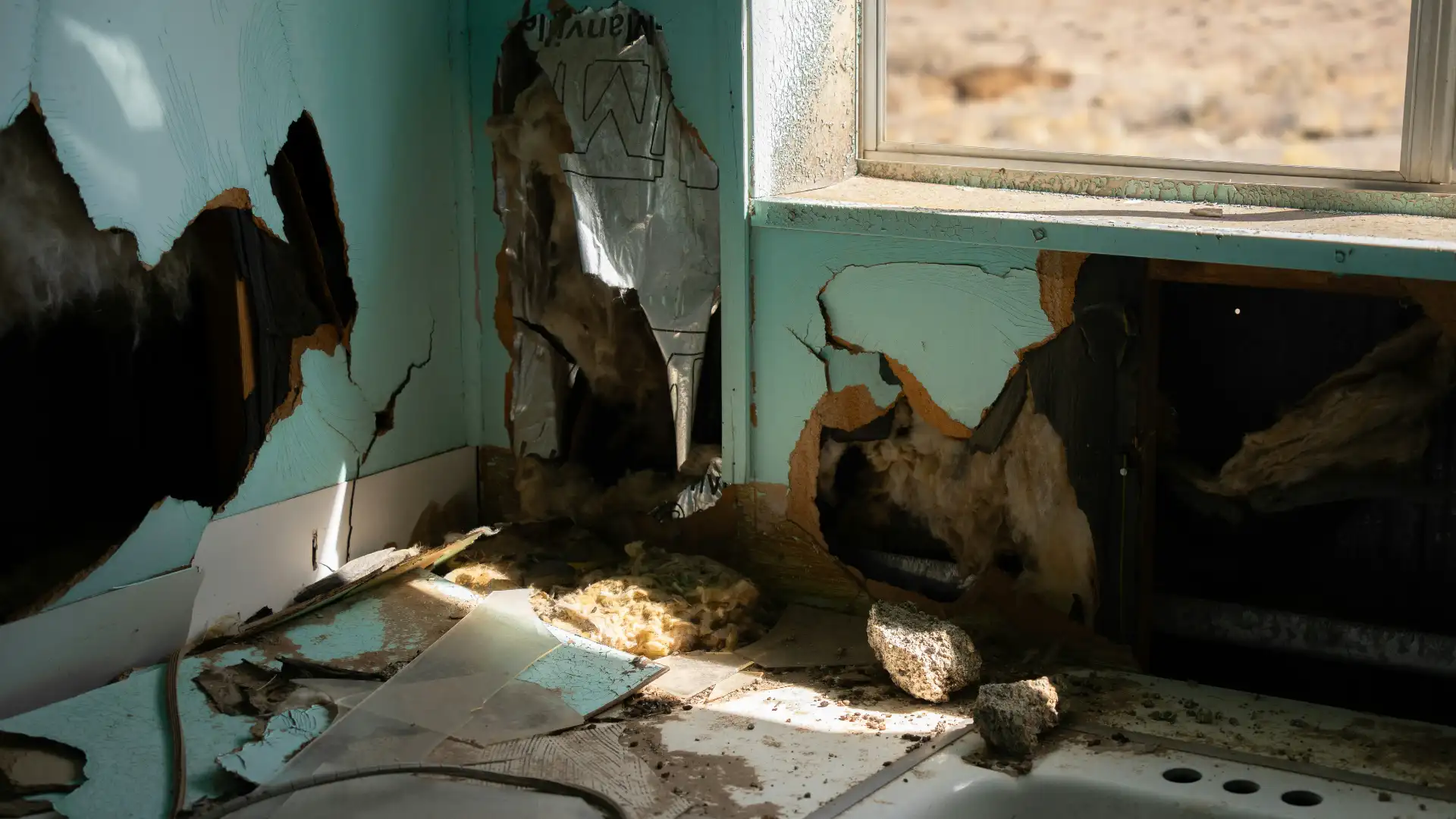
Surprises hide behind walls. What looks small at first glance might open up potential issues like rot, old wires, or weak beams once work starts. One thing leads to another, and suddenly the price climbs. That starting number on paper? It’s just a piece of the whole bill. Hidden flaws push costs higher without warning.
That unpredictability creates stress for many families, especially when emergency savings are limited. People often try to delay repairs temporarily while figuring out how to reorganize household budgets around the added expense. Unfortunately, certain issues become significantly worse when they are ignored for too long.
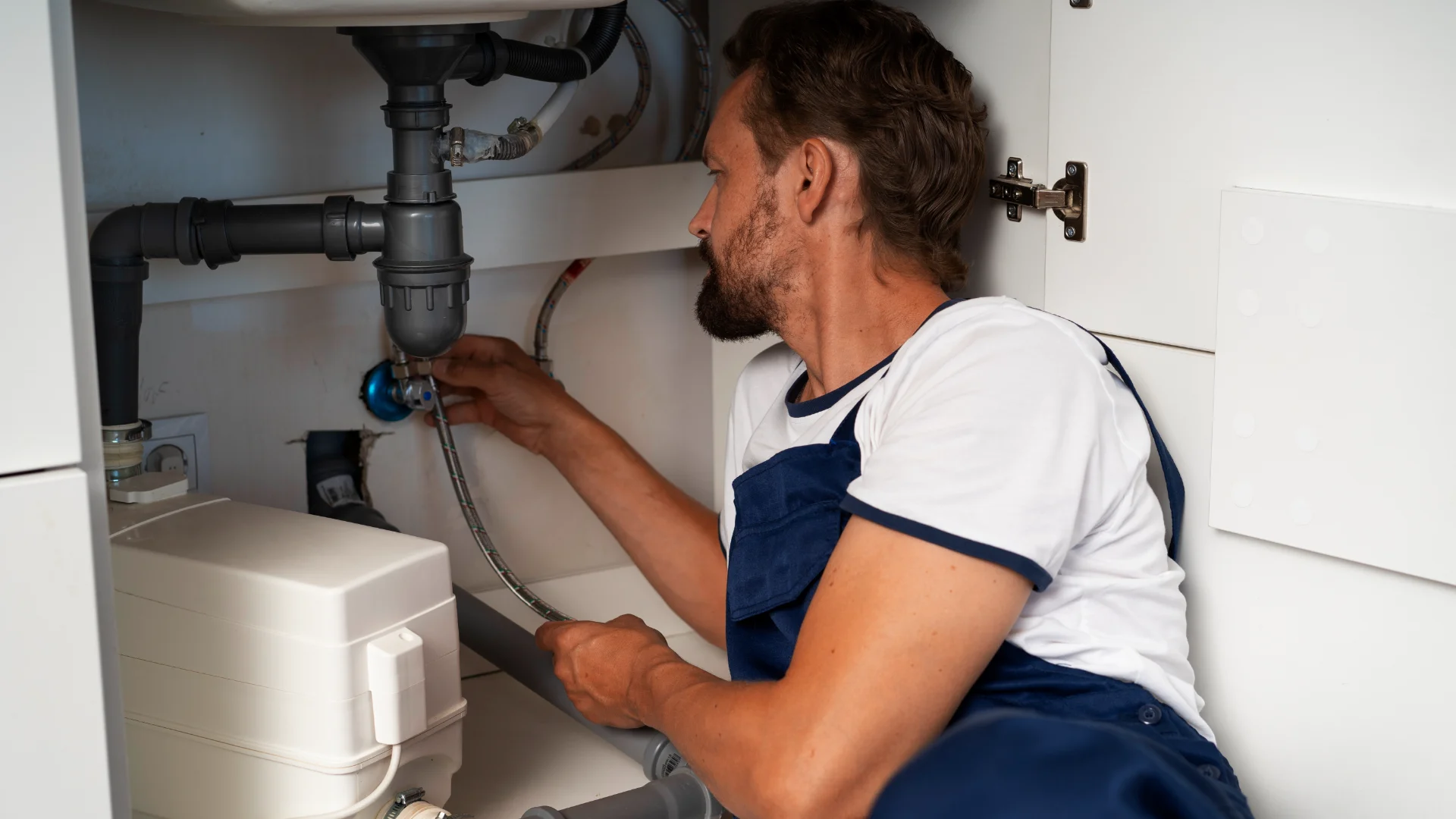
Roof leaks are a good example. A small leak may seem minor at first, but ongoing moisture can eventually affect insulation, ceilings, walls, and flooring. Plumbing issues work similarly. Plumbing issues work similarly. A slow leak under a sink can quietly cause damage for weeks before homeowners notice the full problem.
Repair costs also tend to arrive alongside regular monthly obligations people already carry. Mortgage payments, groceries, utilities, insurance, and transportation expenses continue regardless of whether a major repair suddenly appears. That overlap is what often makes emergency home expenses feel financially overwhelming.
Preventive Maintenance Can Reduce Larger Repair Costs
Something small today might mean big bills tomorrow if left alone. When things wear down slowly, they tend to cost more later on. Most people can’t prevent every sudden problem at home. Still, checking things now and then helps dodge steep costs that impact when least expected
Fixing little things fast keeps bills lower down the road. A damp spot by a machine, odd sounds from the heater, or a tiny split close to plumbing might feel minor at first glance. When ignored, these quiet warnings grow into expensive fixes.
Certain maintenance habits can help reduce that risk over time. Regular plumbing checks or learning how to seal air leaks around windows and doors may lower utility costs while also helping homeowners avoid bigger repair issues developing quietly in the background.
Of course, most people are balancing work, family responsibilities, and everyday expenses already. Home maintenance routines don’t need to be perfect to help. Paying attention consistently when possible usually matters far more than trying to handle every single task all at once.
Emergency Repair Funds Usually Take Time to Build
Many homeowners plan to build a repair fund long before they are able to do it consistently. Saving for future home problems usually happens little by little while bills, groceries, and everyday expenses still take priority.
Some people put aside whatever they realistically can to prepare for maintenance costs. Others use part of a tax refund, extra work income or occasional bonuses to create at least some financial cushion for future repairs. Even a small emergency fund can make an unexpected repair feel far less overwhelming when something suddenly goes wrong.
The emotional side of savings matters too. Knowing there is at least some financial cushion available may help homeowners feel less panicked when something unexpected happens. Emergency funds rarely eliminate stress completely though they often provide valuable flexibility during difficult situations.
At the same time, many families experience periods where saving money consistently feels difficult. Rising living costs, childcare expenses and existing bills sometimes leave little room for additional savings. That reality is far more common than many homeowners openly admit.
Larger Repairs May Require Flexible Financial Planning
Certain repairs simply cost more than households can comfortably absorb immediately. A major HVAC replacement, urgent electrical work or severe water damage may require financial decisions fairly quickly, especially when the home itself becomes difficult or unsafe to live in comfortably.
In situations involving larger repair costs, some homeowners compare personal loan options while trying to avoid delaying important work. During that process, they may review lenders such as CreditNinja to understand repayment terms, monthly affordability, and whether borrowing fits their temporary household needs.
Repayment structure matters during emergencies because monthly affordability continues after the repair is finished. Predictable installment payments can be easier to organize than arrangements that require large balances within a short period.
Borrowing decisions still require careful review. Looking closely at repayment timelines, interest costs, and monthly obligations may help homeowners avoid creating additional financial pressure while trying to solve an immediate repair problem.
Getting Multiple Repair Estimates Can Prevent Costly Decisions
Homeowners under financial pressure sometimes feel forced to accept the first repair estimate they receive. That reaction is understandable, especially during emergencies, though taking a little extra time can prevent unnecessary spending.
Sometimes, one contractor will push full upgrades when another sees fixes that cost less. A fresh look at numbers opens eyes, and suddenly it clicks which tasks matter now. Some service providers insist on swapping everything out, yet others point to simpler steps that hold things together longer.
Getting things down on paper opens up what it really takes to fix something: time spent, materials needed, and budget. When paperwork exists, sorting out payments through insurance (when applicable) feels less complex afterward. Clear breakdowns let homeowners see exactly why numbers add up the way they do. Seeing each part of a job spelled out shapes smarter financial choices. How costs break apart matters just as much as the total.
At the same time, the cheapest option is not automatically the safest choice either. Quality workmanship still matters, especially for structural, electrical, or plumbing repairs that affect long-term safety inside the home.
Financial Recovery After Repairs Often Happens Gradually
Fixing sudden problems around the house often wipes out money fast. When the work finally ends, getting bank accounts back into shape may take longer than expected.
Most times it takes a while; it’s not something that happens overnight. Little choices, made again and again across months, slowly bring families back on track money-wise. Stability returns when budgets get more focused, maintenance is tracked clearly, and financial planning grows more thoughtful. Over weeks and months, those quiet changes add up without much fanfare.
Repairs pop up no matter how careful you are; the fact is houses wear down over time. It’s just what they do. This kind of thing isn’t proof that someone made mistakes along the way. When bills pile up more than usual, remember that weight shows up now and then for everyone who owns a property.
Keeping One Step Ahead
Keeping one step ahead might mean fixing what's broken now while keeping next year's budget safe. Tough fixes come knocking at every homeowner’s door sooner or later, though few admit how heavy the pressure feels when they do.
The key is to pause and take a breath. Do your research and select the way forward that meets your individual or family needs while being aware that any action can affect budgets going forward.