
How to Fix a Leaky Faucet Without Calling a Plumber
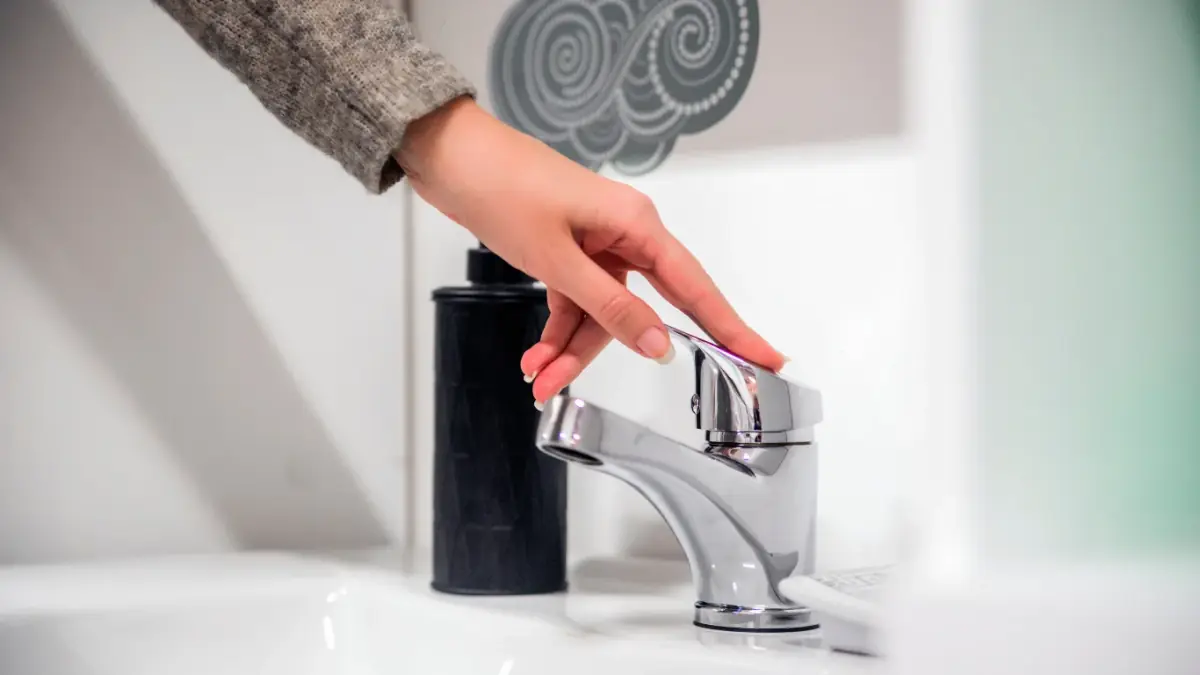
A dripping faucet might seem like a small issue, but it can waste hundreds of gallons of water every year�and raise your bills. The good news? You don�t have to rely on professional plumbing help. In this guide, you�ll learn how to fix a leaky faucet without calling a plumber, step by step, using basic household tools. Whether it�s a kitchen tap or bathroom sink, this home improvement guide will help you stop the drip, save water, and gain confidence in simple DIY repairs.
Understanding Why Faucets Leak
Before you grab your tools, it�s important to understand why faucets leak. The main culprits are usually worn-out washers, damaged O-rings, or corroded valve seats. Let�s break it down:
- Worn-out washers: Frequent use causes rubber washers to harden and crack.
- Loose O-rings: These small rubber rings can slip or deteriorate over time.
- Corroded valve seats: Hard water and sediment buildup can erode the valve seat.
- Functional furniture with smart storage solutions
- Faulty cartridges: For modern faucets, a damaged cartridge can cause leaks.
Tools You�ll Need
Before learning how to fix a leaky faucet without calling a plumber, gather these tools:
- Adjustable wrench
- Flathead and Phillips screwdrivers
- Replacement washers and O-rings
- Plumber�s grease
- White vinegar (for cleaning buildup)
- Rag or towel
Step-by-Step Guide: How to Fix a Leaky Faucet Without Calling a Plumber
Let�s walk through each step carefully to fix your leaky faucet.
Step 1: Turn Off the Water Supply
Look under your sink for the shutoff valves. Turn them clockwise to stop the water flow. Then, open the faucet to release any remaining water.
Step 2: Plug the Drain
Before taking apart your faucet, plug the drain with a rag or sink stopper. This prevents screws or washers from accidentally falling in.
Step 3: Remove the Faucet Handle
Use a screwdriver to remove the handle. Some models have decorative caps hiding the screws�just pry them off gently. Keep all parts organized for reassembly later.
Step 4: Inspect and Replace the Washer or O-Ring
Once you remove the handle and stem, check for damaged washers or O-rings:
- Compression faucets: Replace the rubber washer.
- Cartridge faucets: Replace the cartridge.
- Ball faucets: Replace the ball assembly and springs.
Step 5: Clean Internal Components
Use white vinegar and a cloth to clean any mineral deposits or corrosion on the valve seat. This ensures a watertight seal once reassembled.
Step 6: Reassemble and Test
Put everything back in the same order. Turn the water supply back on and test for leaks. If the dripping is gone, congratulations�you�ve successfully completed your faucet repair.
Conclusion
Learning how to fix a leaky faucet without calling a plumber is one of the easiest and most rewarding home improvement skills. With a few tools and a little patience, you can save money, conserve water, and avoid the hassle of scheduling repairs. At homedeecor.com, we encourage homeowners to take small DIY steps like this�it builds confidence and helps you maintain your home efficiently.
FAQs
How much water does a leaky faucet waste per day?
A slow drip can waste up to 5 gallons of water daily, depending on the drip rate. That�s more than 1,800 gallons per year.
Can I fix any type of faucet by myself?
Most minor leaks can be fixed easily with washers or cartridges. However, complex faucets or major corrosion may require a plumber.
What if my faucet still leaks after replacing the washer?
You might need to check the valve seat or O-ring. If both are fine, the faucet body could be cracked and may need replacement.
How often should I replace washers and O-rings?
Typically, every 2�3 years depending on water quality and usage.
Is it safe to use plumber�s tape on faucets?
Yes, plumber�s tape (Teflon tape) can help seal threaded connections and prevent leaks�especially for older faucets.